
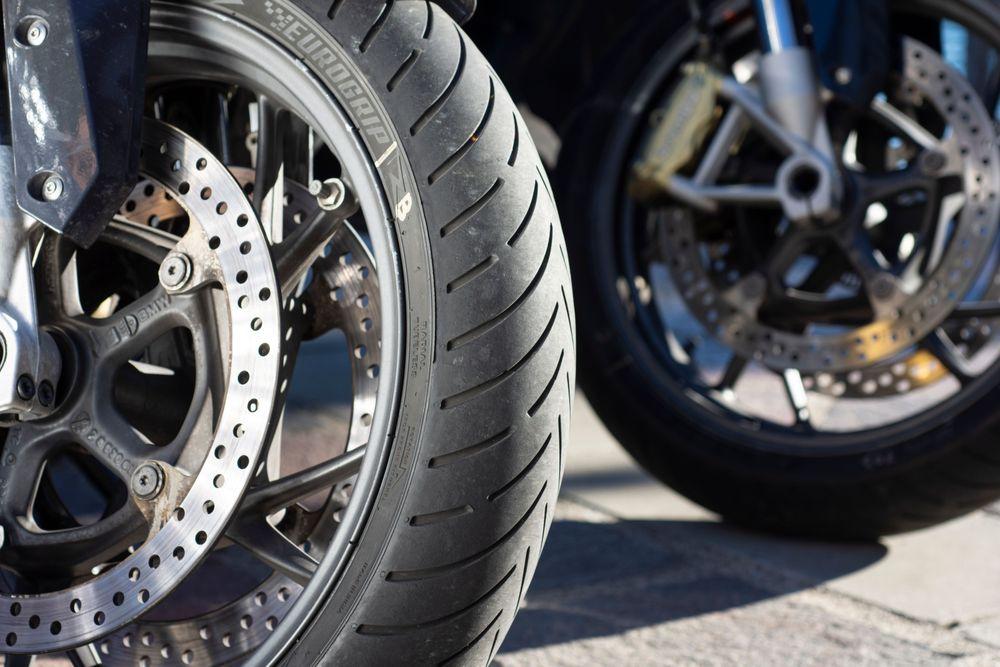
A tubeless vs tube tyre comparison reveals crucial differences that directly affect your safety, comfort, and overall riding experience. Choosing between these two tyre technologies influences everything from puncture response and fuel efficiency to maintenance costs and highway confidence. With Indian roads presenting diverse riding conditions, making the right choice has become more important than ever.
Recent advancements in tyre engineering have significantly shifted rider preferences, with tubeless tyres now becoming standard on most modern motorcycles across India.
Before comparing performance, it is important to understand how each tyre system works. This foundation helps riders make informed decisions based on their riding style and road conditions.
Tubeless tyres create an airtight seal directly against the wheel rim without requiring an inner tube. The tyre bead locks securely onto specially designed rim flanges, while the inner liner prevents air leakage. This design eliminates the traditional weak point found in tube-type systems.
Modern tubeless tyres from brands like Eurogrip Tyres feature:
Tube tyres use a separate inflatable inner tube placed inside the tyre casing. The tube holds the air pressure, while the outer tyre provides grip and protection against road surfaces.
A tube-type setup includes:
Real-world performance is the biggest deciding factor when evaluating which tyre type is better in India for modern riders.
One of the strongest advantages in a tubeless vs tube tyre comparison is puncture safety.
Tubeless tyres lose air gradually when punctured, allowing riders to maintain control and safely reach a repair shop. This controlled deflation is extremely valuable on Indian highways and remote touring routes.
Tube tyres, however, tend to deflate rapidly because the inner tube tears around the puncture point. Sudden air loss can destabilise the motorcycle, especially at higher speeds.
| Safety Aspect | Tubeless | Tube Type |
|---|---|---|
| Puncture deflation | Slow and controlled | Rapid air loss |
| Blowout risk | Minimal | Higher |
| Heat dissipation | Excellent | Limited |
| High-speed stability | Superior | Good |
Tubeless tyres are easier and faster to repair during roadside emergencies. Most punctures can be fixed using a plug kit and portable inflator within minutes.
Eurogrip’s tubeless tyre constructions are designed to support quick and reliable puncture repairs, helping riders continue their journeys with minimal downtime.
Tube tyre repairs are more time-consuming and usually involve:
When deciding which tyre type is better in India, initial purchase cost alone does not tell the full story. Long-term ownership economics often favour tubeless tyres.
Tubeless tyres improve efficiency through:
Your riding habits play a major role in determining the best option in this tubeless vs tube tyre comparison.
City riders benefit greatly from tubeless tyres.
Eurogrip’s Bee Connect series is designed specifically for urban riding and offers:
Tubeless tyres help commuters save both time and maintenance costs while improving daily riding safety.
For long-distance touring, tubeless tyres are often the preferred choice because they provide:
Eurogrip’s Roadhound range is specifically engineered for touring motorcycles, combining stability-focused construction with durable compounds suited to Indian highways.
Off-road riding remains one area where tube tyres still offer certain advantages, including:
However, for riders who split time between highways and trails, tubeless adventure tyres like Eurogrip’s Trailhound series offer excellent versatility.
Modern innovations continue to strengthen the case for tubeless technology.
Improved sealants, stronger rim designs, and wider availability of puncture repair kits have addressed many traditional concerns associated with tubeless systems. As infrastructure and service networks improve nationwide, understanding which tyre type is better in India becomes increasingly straightforward.
Most new motorcycles now come equipped with tubeless-compatible alloy wheels as standard equipment. This industry-wide transition reflects growing confidence in tubeless performance under Indian riding conditions.
Your ideal choice in this tubeless vs tube tyre comparison depends on your motorcycle and riding environment.
When it comes to a tubeless vs tube tyre comparison, tubeless technology clearly emerges as the better choice for most Indian riders in 2026. From improved puncture safety and better fuel efficiency to easier maintenance and enhanced highway stability, tubeless tyres deliver practical advantages that suit modern riding conditions across India.
While tube tyres still serve niche off-road and vintage motorcycle applications, everyday commuters, tourers, and city riders will benefit far more from the convenience and reliability of tubeless systems. Ultimately, deciding which tyre type is better in India depends on your riding style, but for the majority of riders, tubeless tyres offer the ideal balance of safety, performance, and long-term value.
If you're planning to upgrade your motorcycle tyres, explore the latest tubeless range from Eurogrip Tyres and choose a tyre designed specifically for Indian roads and riding conditions.