
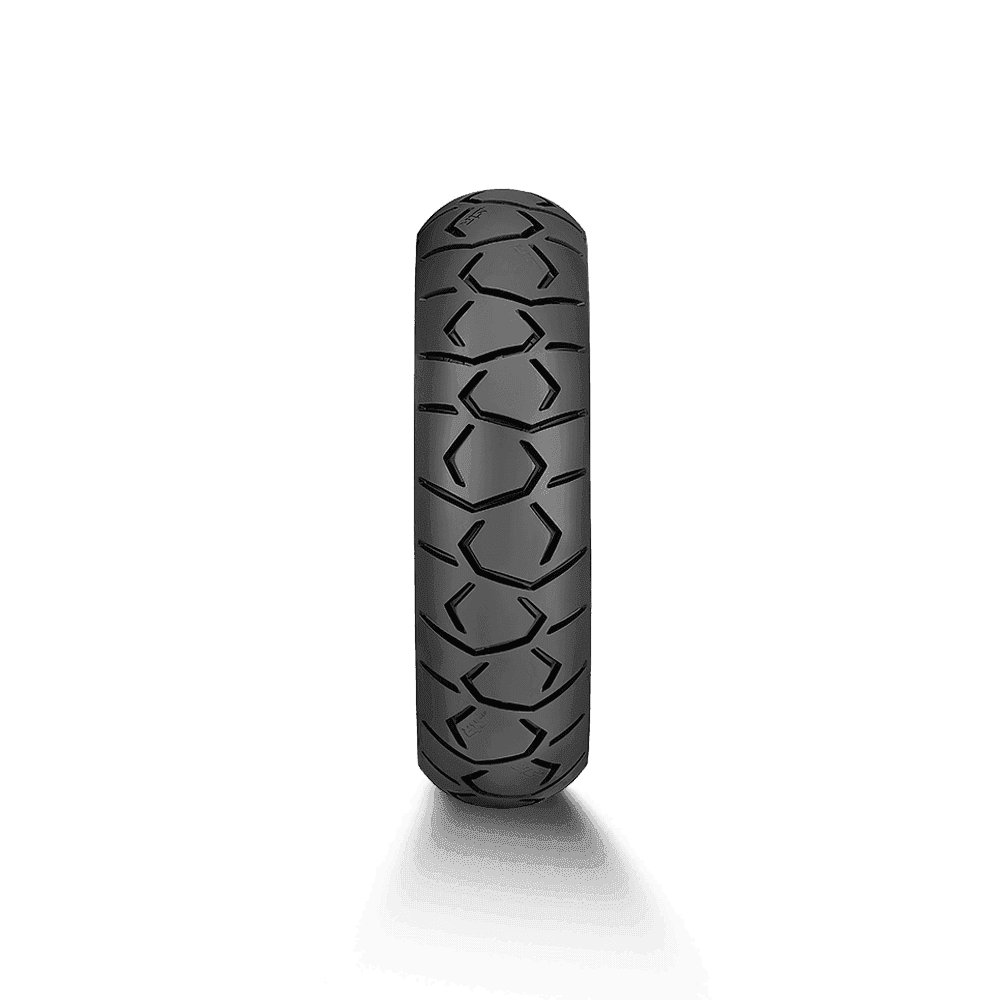
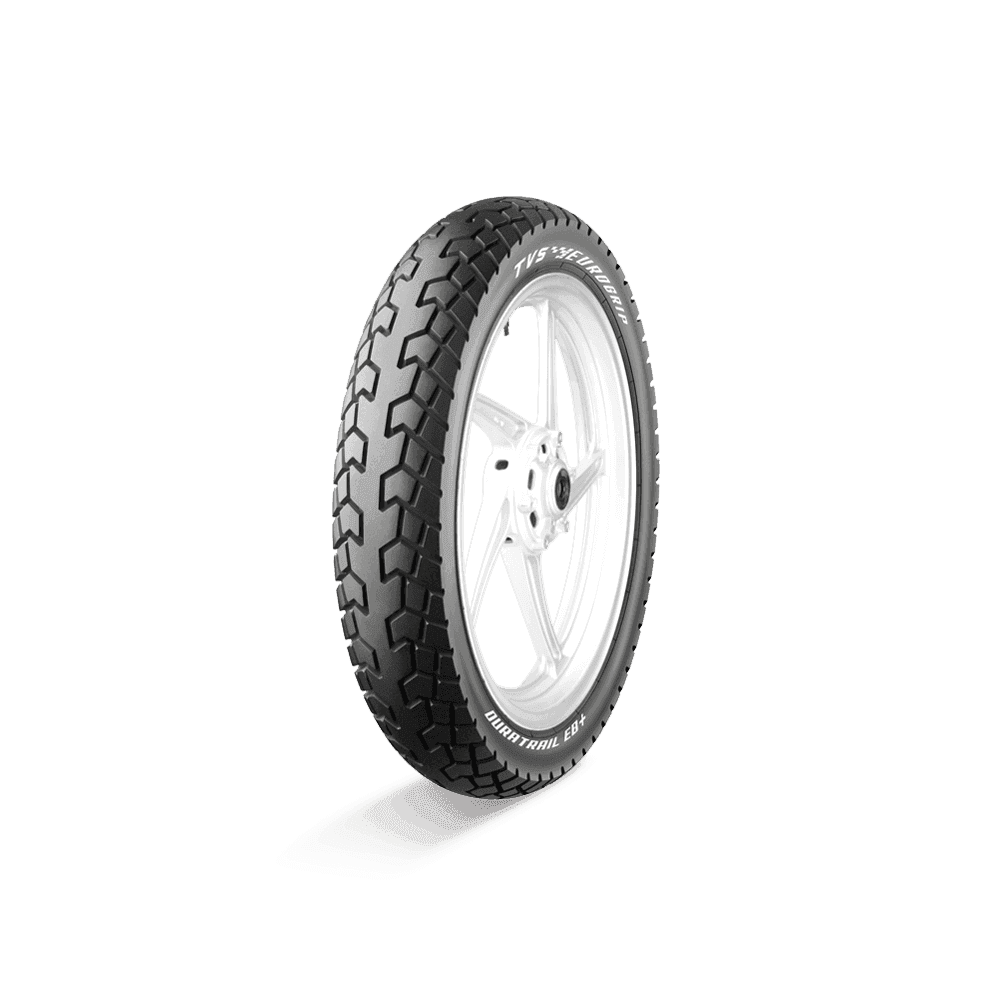
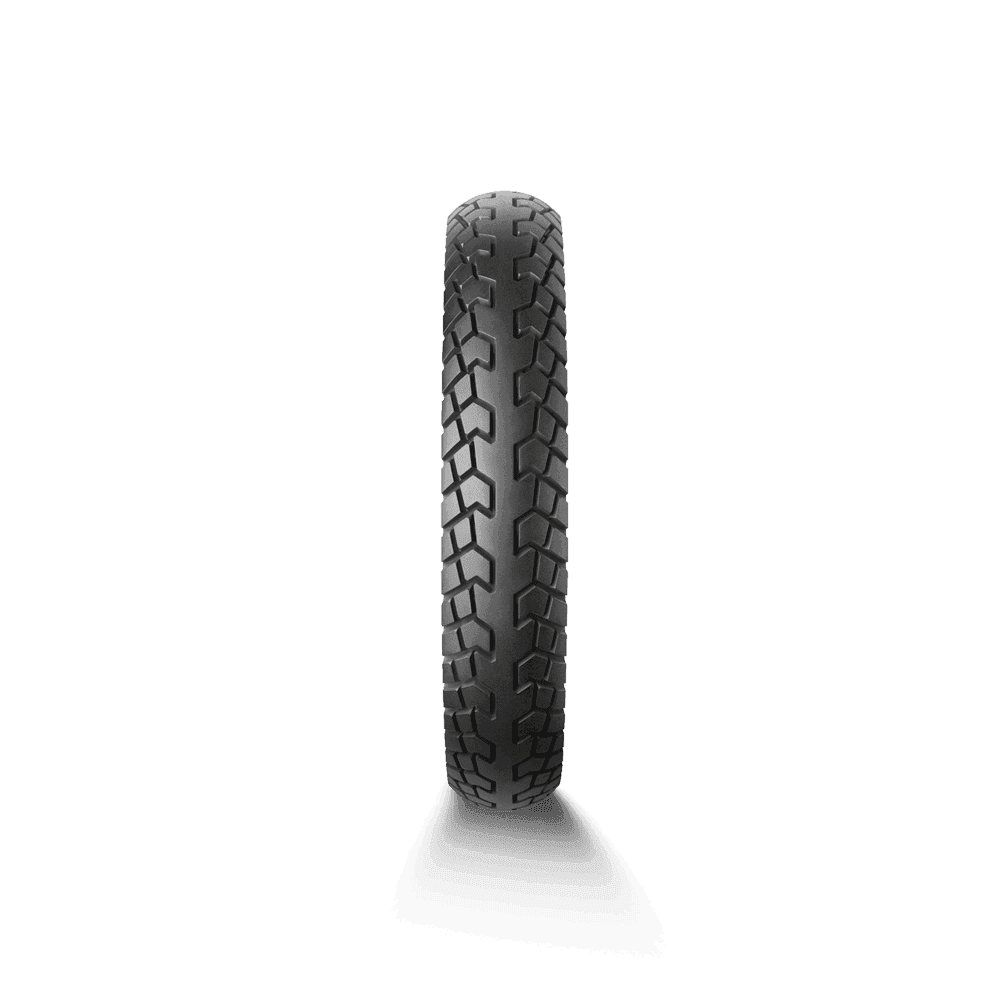
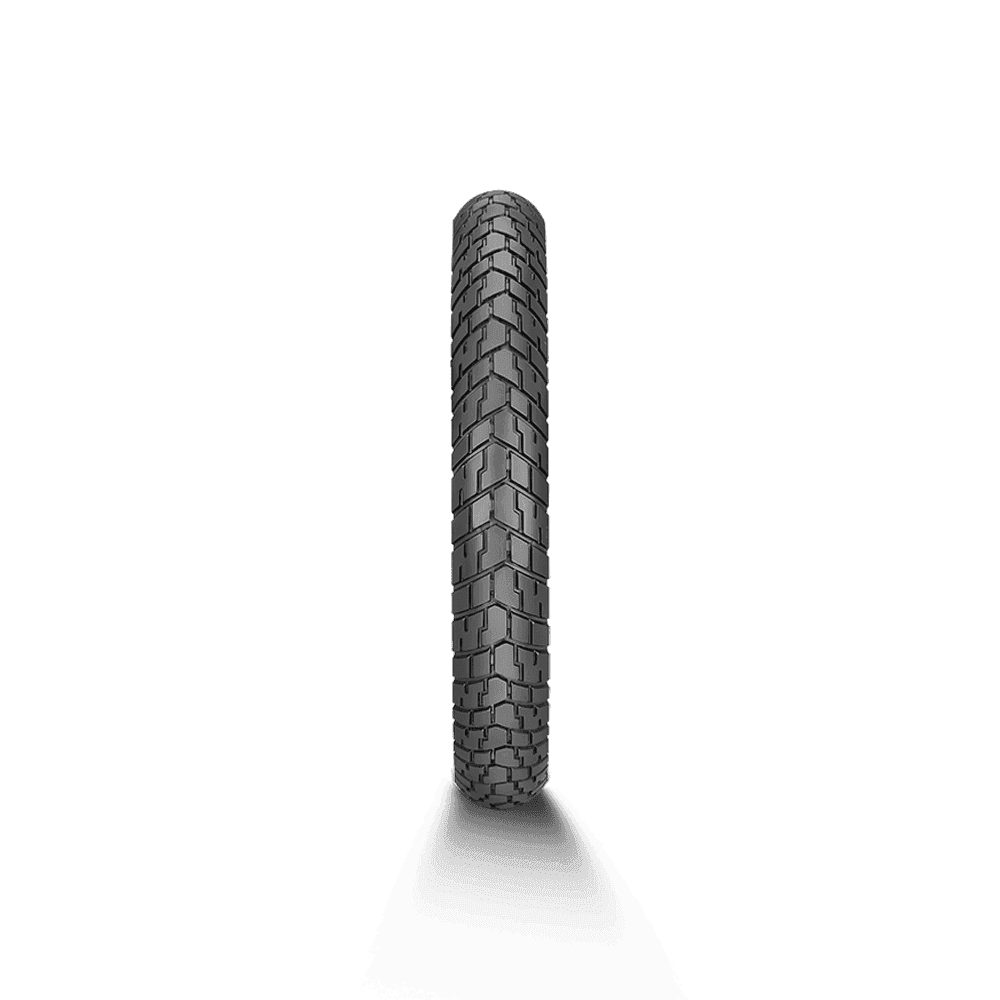
Yezdi bike tyres form the foundation of your riding experience, acting as the only contact point between your motorcycle and Indian roads. Whether you are filtering through city traffic on the Yezdi Roadster, sliding across broken tarmac on the Scrambler, or exploring unpredictable terrain on the Yezdi Adventure, your tyres define how confidently you ride.
They do far more than just provide grip. Tyres support the motorcycle’s weight, absorb surface irregularities, manage braking forces, and transmit engine power to the road. Every turn, stop, and acceleration depends on their condition and suitability.
Choosing the right Yezdi tyres directly impacts safety, comfort, and overall riding satisfaction. Understanding the correct tyre sizes, features, and pressure requirements helps you extract the best performance from your motorcycle across every kilometer.
Each Yezdi motorcycle is engineered with a specific riding purpose in mind. So, a customer needs to select carefully. Basically, tyre selection plays a crucial role in preserving that balance. Correct tyres ensure:
Stable handling at highway speeds
Predictable grip on wet and uneven roads
Proper braking performance under load
Reduced fatigue during long rides
Incorrect tyre sizes or unsuitable tread patterns can alter steering geometry, reduce traction, and compromise safety. Matching manufacturer-recommended specifications keeps your Yezdi performing as intended.
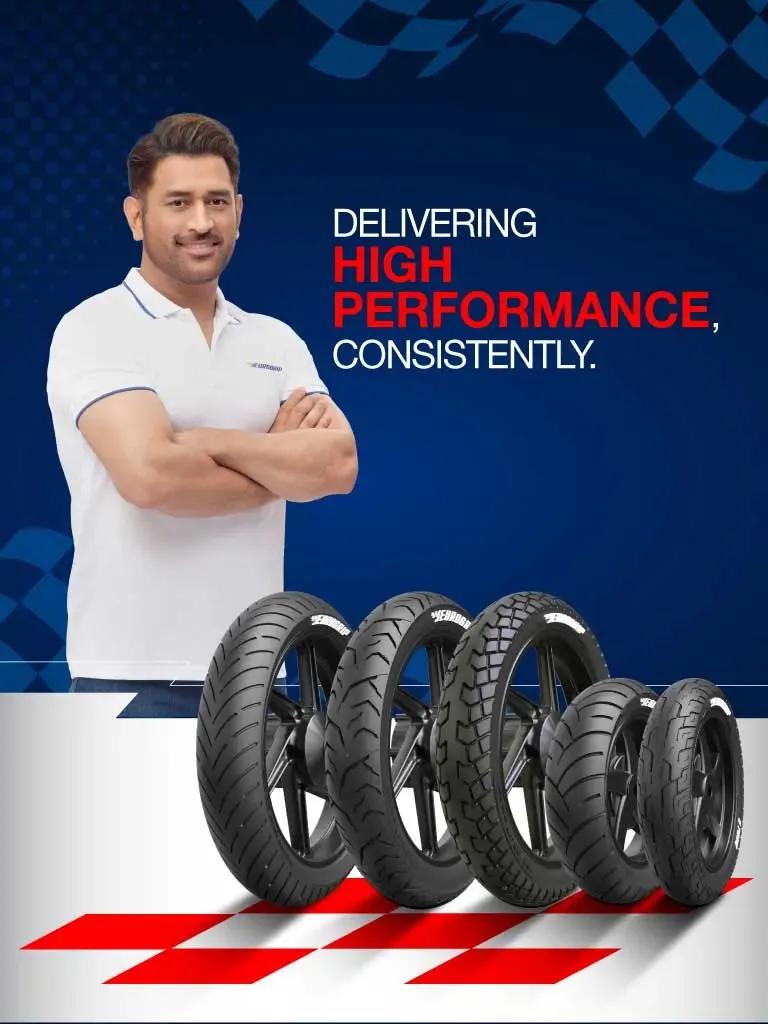
Yezdi motorcycles come with distinct tyre configurations tailored to their riding styles. The currently available Eurogrip tyre options for Yezdi models follow the specifications given below:
| Model | Front Tyre Size | Rear Tyre Size | Type of Tyre |
|---|---|---|---|
| Yezdi Roadster | 100/90-18 | 130/80-17 | Tubeless |
| Yezdi Scrambler | 100/90-19 | 140/70-17 | Tubeless |
| Yezdi Adventure | 90/90-21 | 130/80-17 | Tube/Tubeless (as applicable) |
Indian riding conditions demand tyres that can handle heat, water, traffic, and inconsistent road surfaces. Quality Yezdi tyres should offer the following essential features:
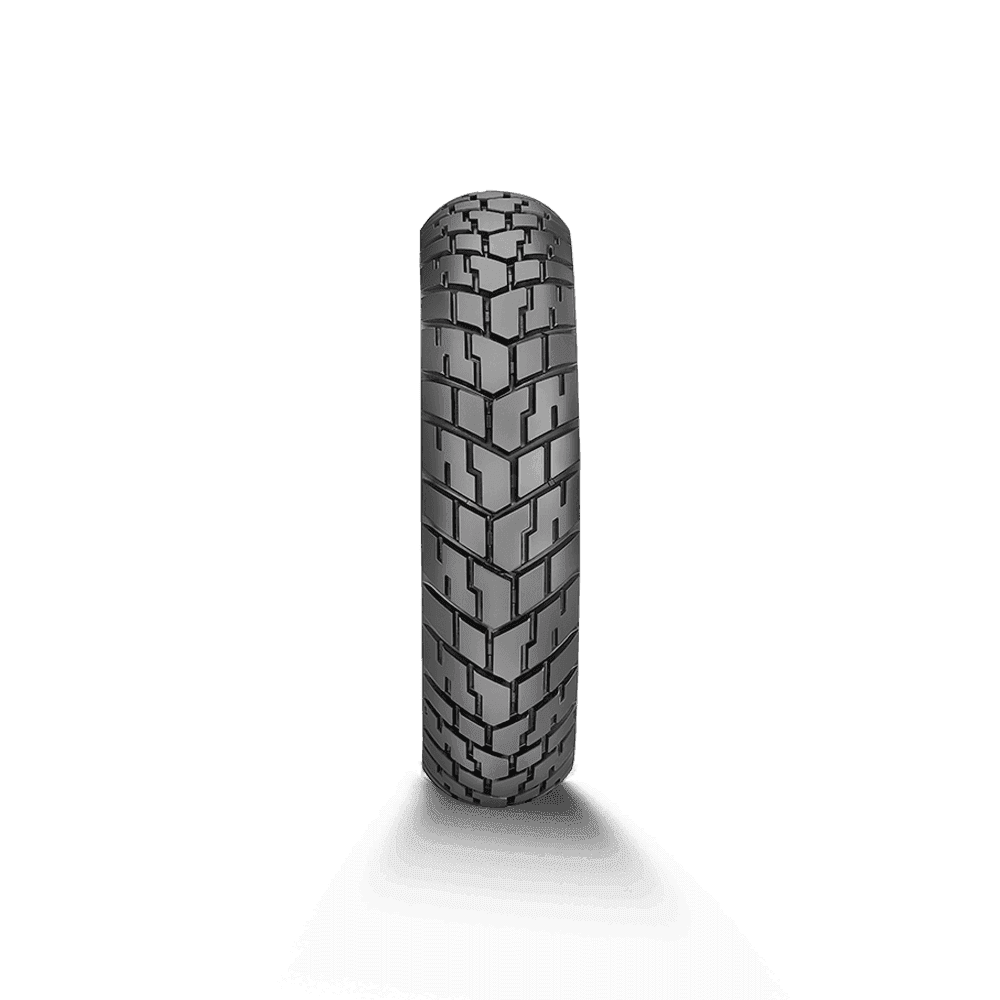
Optimised tread patterns for effective water evacuation during monsoons
Durable rubber compounds to withstand stop-and-go traffic and long highway runs
Strong sidewall construction to absorb pothole impacts and rough surfaces
Balanced grip characteristics for confident braking on dry and wet roads
Tyres developed and tested specifically for Indian conditions deliver more predictable performance and longer service life.
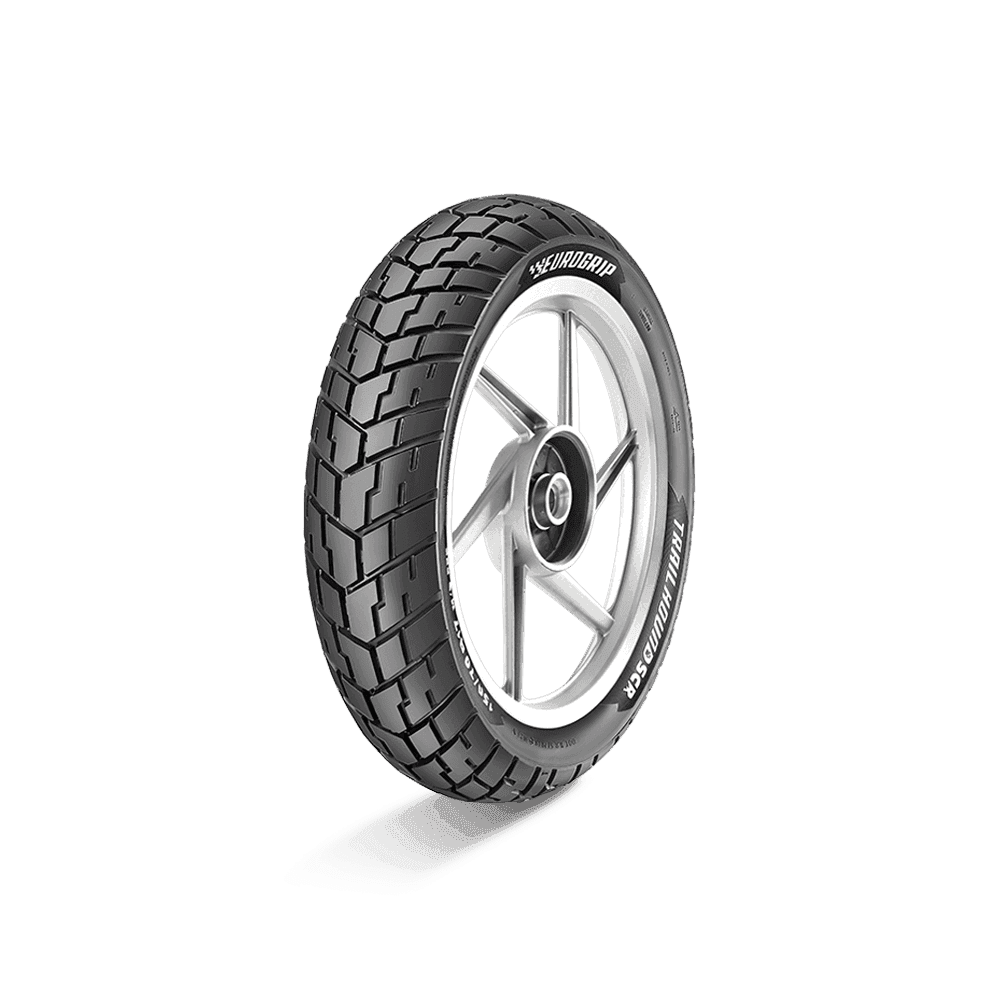
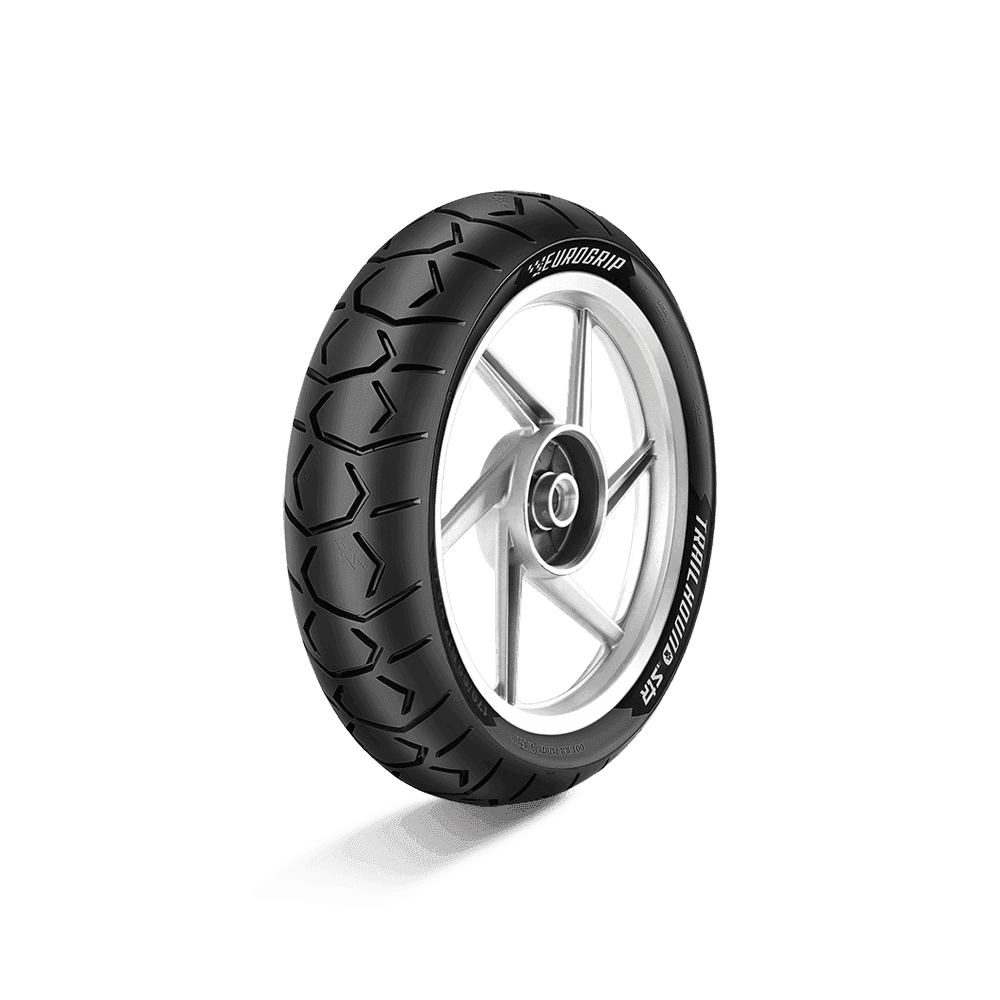
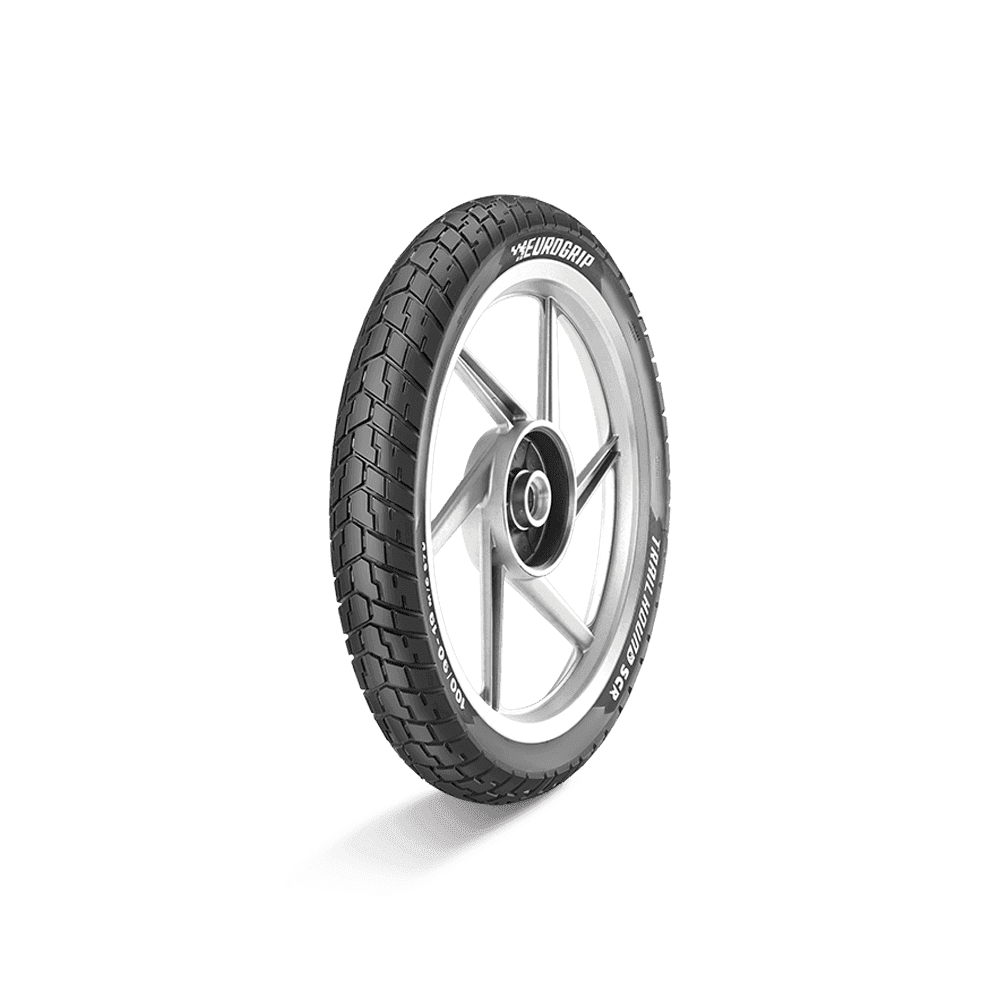
Eurogrip offers budget-friendly options for the Yezdi Adventure and Roadster. These are priced from Rs. 4,248 to Rs. 7,269. Here are a few Vespa tyre price ranges:
| Model | Front Tyre Size | Eurogrip Tyre Pattern | Approximate Price (INR) |
| Yezdi Roadster | 100/90-18 | TRAIHOUND SCR TL | ₹4248 |
| Yezdi Adventure | NA | NA | NA |
| Model | Rear Tyre Size | Eurogrip Tyre Pattern | Approximate Price (INR) |
| Yezdi Roadster | 130/80 R17 | TRAILHOUND SCR | ₹7269 |
| Yezdi Adventure | 130/80 R17 | TRAILHOUND SCR | ₹7269 |
Maintaining correct tyre pressure is essential for safety, tyre life, and ride comfort. Always check pressure when tyres are cold.
| Model | Front (psi) | Rear (psi) |
|---|---|---|
| Yezdi Roadster | 28–30 | 30–32 |
| Yezdi Scrambler | 29–30 | 31–32 |
| Yezdi Adventure | 29–34 | 30–32 |
Increase rear pressure slightly when riding with a pillion or luggage to maintain stability and tyre integrity. Choosing the right Yezdi bike tyres is about matching specifications, riding conditions, and usage patterns. Correct tyre selection enhances safety, comfort, and confidence across city commutes and long rides alike.
Typically, every 25,000–35,000 km, depending on riding style and road conditions. However, please check your tyre tread depth indicators carefully, as the mileage differs considerably.
Yes, they offer easier puncture repair and better heat management for road use.
No, using non-standard sizes can affect handling, safety, and warranty. Stock tyres are extensively tested by manufacturers and typically provide the best experience.
Check your tyre pressure at least once every two weeks, or before long rides.
Yes, Eurogrip tyres are tested extensively for Indian, European, and Japanese road environments.
