
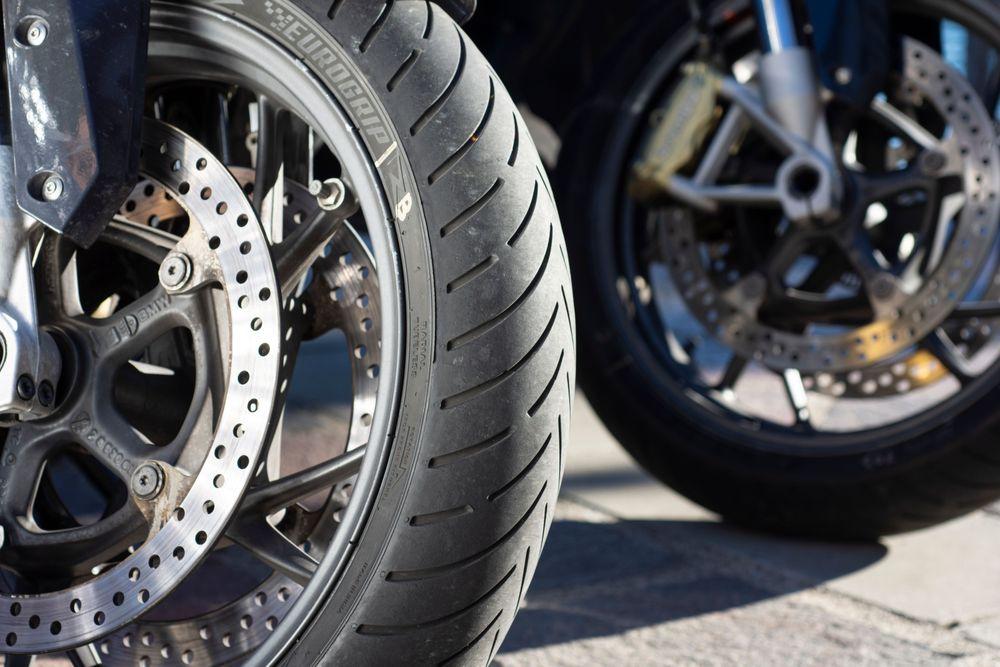
Every motorcycle rider faces a crucial decision when buying new tyres. The radial vs bias tyre comparison reveals fundamental differences that directly impact your riding experience. Steel cords running perpendicular to radials versus diagonal fabric plies in bias tyres create vastly different performance characteristics. Understanding these differences helps you make the right choice for your specific needs.
Tyre construction determines everything from handling to longevity. The radial vs bias tyre comparison starts with understanding how manufacturers build these two distinct tyre types.
Bias tyres use crisscrossing fabric plies arranged diagonally at 30-45 degree angles. Multiple layers create a unified structure where sidewalls and tread function as one unit. This design produces remarkable strength and puncture resistance.
Key characteristics include:
The diagonal arrangement creates internal friction during rotation. This friction generates heat, particularly at higher speeds. However, the same construction provides exceptional durability on rough roads, making bias tyres reliable workhorses for challenging conditions.
Radial tyres feature cords running straight across at 90-degree angles. Steel or fabric belts reinforce the tread area separately from the sidewalls. This revolutionary design allows each component to perform specific functions independently.
Benefits of radial construction:
Eurogrip's RoadHound and Protorq Extreme models showcase advanced radial technology with zero-degree steel belts. This innovation provides exceptional rigidity for precise handling while maintaining sidewall flexibility for comfort.
Real-world riding reveals clear distinctions between these tyre types. Your choice between radials and bias tyres affects every aspect of your ride.
Heat generation represents a critical difference in the radial vs bias tyre comparison. Bias tyres generate significant heat from internal ply friction, limiting sustained highway performance. Radials run cooler, enabling consistent high-speed operation.
| Performance Factor | Bias Tyres | Radial Tyres |
|---|---|---|
| Heat Generation | High | Low |
| Speed Rating | Lower | Higher |
| Highway Stability | Moderate | Excellent |
| Sustained Performance | Limited | Extended |
Radial tyres deliver superior cornering grip through even pressure distribution. The wider contact patch keeps more rubber on the road during acceleration, braking, and cornering. This enhanced contact translates to improved handling precision.
Bias tyres provide different advantages:
Selecting between radial and bias construction depends on your specific riding requirements. Consider which tyre type for Indian bikes suits your daily needs.
Bias tyres remain excellent choices for specific applications:
Many scooter riders and entry-level motorcycle owners find bias tyres perfectly adequate for their needs. The robust construction handles Indian road conditions reliably.
Radial tyres become essential for performance-oriented riding:
Modern motorcycles often specify radial tyres to match their suspension geometry and performance capabilities. The question of which tyre type for Indian bikes increasingly favours radials as road infrastructure improves.
Eurogrip demonstrates how modern technology enhances both tyre types. Eurogrip's bias range delivers tough, economical performance through advanced compounds. The radial portfolio features cutting-edge innovations like DuCT (Dual Tread Compound Technology) and OpT-PaD (Optimised Tread Pattern Design).
The zero-degree steel belt technology in Eurogrip radials provides:
These advances make premium performance accessible to Indian riders without import costs. Understanding which tyre type for Indian bikes works best requires considering both technology and application.
The radial vs bias tyre comparison reveals distinct advantages for each construction type. Bias tyres continue serving riders who prioritise durability, load capacity, and lower costs. Radial tyres deliver superior performance for highway riding, sport applications, and demanding conditions.
Your riding style, typical routes, and performance expectations guide the selection process. City riders tackling potholed roads often find bias tyres ideal. Highway tourers and performance enthusiasts benefit from radial technology's advantages.
Eurogrip offers quality solutions across both categories, ensuring riders find appropriate tyres regardless of construction preference. Whether you choose reliable bias construction or advanced radial performance, selecting the right tyre improves safety, enjoyment, and confidence on every ride.