
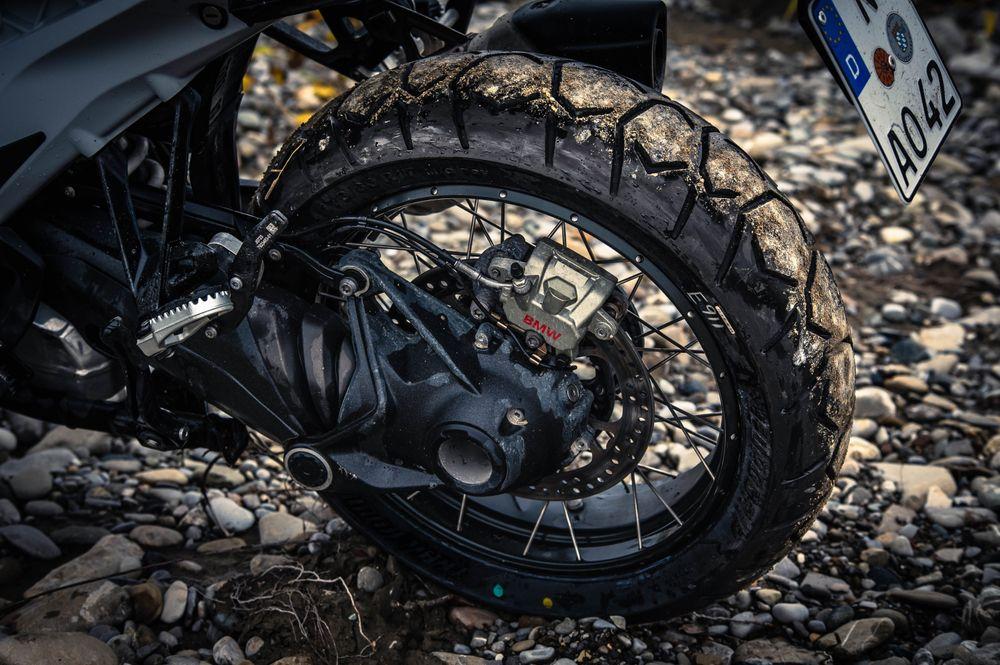
| Summary: Every bike rider wants better grip, smoother handling, and more confidence on the road. Yet many riders overlook one of the biggest factors affecting all three: the type of tyre fitted to the motorcycle. Understanding the difference between radial tyre vs bias tyre construction helps you choose tyres that match your riding style, whether you spend your time navigating city traffic or covering long highway distances. |
Your tyre's internal structure shapes every aspect of your ride. Understanding the difference between radial tyre vs bias tyre construction helps you make smarter purchasing decisions. Radial tyres use cords running at 90-degree angles, while bias-ply tyres layer cords diagonally at 30 to 45 degrees. This seemingly small difference creates vastly different riding experiences on Indian roads.
The way cords are arranged inside your tyre determines heat build-up, flexibility, and high-speed stability. Picture a cross-section of both tyre types: in a radial tyre, the reinforcing cords run straight from bead to bead, perpendicular to the direction of travel. Steel, nylon, or Kevlar belts sit between these radial plies and the tread, adding strength without sacrificing flexibility.
In a bias-ply tyre, cords criss-cross diagonally at 30 to 45-degree angles. Each layer opposes the one beneath it, creating a rigid, interwoven structure. Most bias-ply tyres contain four layers of reinforcing fabric cords, though heavy-duty variants may have six, eight, or ten plies.
The radial vs bias tyre debate often comes down to heat management. Radial tyres generate less internal friction because their plies do not rub against each other during flexing. Steel belts dissipate heat evenly across the tyre surface. This design allows radials to run cooler at highway speeds and can help extend tyre life because the tyre runs cooler under normal riding conditions.
Bias-ply tyres create constant friction between their criss-crossing plies as the tyre flexes. This generates more heat, particularly above 80 km/h. At sustained high speeds, excessive heat can deform the tyre structure and reduce performance. Your bias-ply tyre typically offers a longer service life when maintained properly.
Radial construction separates sidewall and tread into independent components. Your sidewall flexes freely to absorb road imperfections, while the tread maintains consistent contact with the road. This creates a shorter but wider footprint, providing superior grip when you lean into corners.
Bias-ply tyres connect the sidewall and tread through the same reinforcing plies. The result is a stiffer sidewall that resists washing out during turns but produces a smaller, less consistent contact patch. At city speeds below 60 km/h, this rigidity offers predictable handling. Above that threshold, the lack of flex limits grip.
| Feature | Radial Tyres | Bias-Ply Tyres |
|---|---|---|
| Cord angle | 90 degrees | 30 to 45 degrees |
| Heat dissipation | Excellent | Moderate |
| Sidewall flexibility | High | Low |
| Contact patch | Wider, stable | Narrower, variable |
| Lifespan | ~7 years | ~5 years |
| Rolling resistance | Lower | Higher |
| High-speed stability | Superior | Limited |
Indian roads present unique challenges: potholes, uneven tarmac, gravel patches, and unexpected speed breakers. Your choice between radial vs bias tyres depends heavily on where and how you ride.
Bias-ply tyres handle rough surfaces effectively because their rigid structure absorbs sharp impacts without sidewall damage. The overlapping plies create exceptional puncture and cut resistance, making them ideal for poorly maintained roads. Most commuter bikes and scooters in India come factory-fitted with bias-ply tyres for this reason. They cost less upfront and tolerate abuse that would damage a radial's thinner sidewalls.
Consider bias-ply construction if you primarily:
Radial tyres shine on improved infrastructure. With India's expanding expressway network and growing touring culture, radials deliver consistent grip during sustained high-speed riding. The flexible sidewalls absorb highway imperfections smoothly, reducing rider fatigue over long distances. Lower rolling resistance may also improve fuel efficiency.
Consider radial construction if you:
Check your tyre's sidewall markings. Radial tyres display "RADIAL" or the letter "R" within the size code. For example, 120/70 ZR 17 indicates a radial tyre. Bias-ply tyres show "BIAS", "BIAS PLY", the letter "B", or a dash in the size code. For instance, 150/70 B 17 or 150/70-17 signals bias construction.
Never mix radial and bias-ply tyres on the same motorcycle. Your bike's suspension geometry and chassis dynamics are engineered for specific tyre characteristics. Swapping tyre types can alter handling, braking distances, and overall safety. Always follow your manufacturer's recommendations.
The radial vs bias tyre decision ultimately depends on your riding priorities. Radial tyres deliver superior grip, longer lifespan, better fuel economy, and excellent high-speed stability. Bias-ply tyres offer rugged durability, lower purchase cost, and reliable performance on challenging surfaces.
For riders seeking high-performance radial options, Eurogrip's radial tyre range combines Italian design principles with construction tested across Indian, European, and Japanese road conditions. Their Tri-Polymer Tread Compound technology optimises grip, mileage, and durability, while the RoBusT construction ensures safe cornering at higher speeds. Explore the complete range at Eurogrip to find tyres matched to your specific motorcycle and riding style.
Can I switch from bias-ply to radial tyres on my commuter bike?
Switching is not advisable unless your motorcycle manufacturer approves radial fitment. Radial tyres change handling characteristics and may require suspension adjustments. Using incompatible tyres affects braking performance and rider safety.
Why do radial tyres cost more than bias-ply tyres?
Radial tyres require advanced materials like steel or Kevlar belts and more complex manufacturing processes. However, their longer lifespan and improved fuel efficiency often offset the higher purchase price over time.
Do bias-ply tyres work for highway riding?
Bias-ply tyres function adequately at moderate highway speeds but are not designed for sustained high-speed use. They generate more heat during prolonged high-speed riding, which can affect performance.
How do I know when to replace my tyres regardless of type?
Check tread wear indicators (TWI), the small raised bars inside your tyre's main grooves. When the tread wears level with these bars, replacement becomes necessary. Also inspect for cracks, bulges, or punctures during your regular maintenance routine.
Are radial tyres more prone to punctures?
Radial tyres feature thinner sidewalls that can be more susceptible to puncture damage from sharp objects. However, their harder tread compound enhances puncture resistance on the road surface itself. Proper inflation pressure significantly reduces puncture risk for both tyre types.