
Summary: Choosing between radial and nylon (bias-ply) tyres affects your ride quality, fuel costs, and long-term expenses. This comparison breaks down the difference between radial and nylon tyres across construction, performance, and value. You will learn which tyre type suits your riding style, budget, and road conditions.
Your next tyre purchase could save you thousands of rupees over the next few years, or it could cost you more than you expected. The radial tyre vs nylon tyre debate comes down to three factors: how you ride, where you ride, and what you prioritise. Radial tyres dominate performance bikes for good reason, while nylon tyres remain the workhorse of Indian commuters. Let us examine what separates them.
The difference between radial and nylon tyres starts beneath the rubber surface, where internal cord arrangements determine everything from grip to lifespan.
Radial tyres position their cords at a 90-degree angle to the direction of travel. Steel belts sit beneath the tread, keeping the crown firm while allowing sidewalls to flex independently. This separation means the tread and sidewall can perform their jobs without compromising each other.
Nylon tyres, also called bias-ply tyres, use a criss-cross pattern. Cords run diagonally at 30- to 40-degreeangles, overlapping in multiple layers. This creates uniform stiffness from sidewall to crown. The entire tyre moves as one unit.
Heat management separates radial from nylon performance. Radial tyres spread heat evenly across their surface because the steel belts dissipate heat better than nylon plies. At highway speeds, this prevents dangerous heat concentration that can cause blowouts.
Nylon tyres generate more internal friction during operation. Those overlapping plies rub against each other, producing heat that accumulates over time. This reduces overall tyre life and creates risks during sustained high-speed riding.
| Feature | Radial Tyre | Nylon Tyre |
|---|---|---|
| Cord angle | 90 degrees | 30 to 40 degrees |
| Belt material | Steel | Nylon plies |
| Sidewall flexibility | Independent, flexible | Connected, rigid |
| Heat dissipation | Excellent | Poor |
| Expected lifespan | Approximately 7 years | Up to 5 years |
When comparing nylon vs radial tyre performance, three categories matter most: grip, ride comfort, and fuel efficiency.
Radial tyres provide a wider, flatter footprint that maintains consistent contact with the road. During high-speed cornering or rapid acceleration, this larger contact patch translates to superior traction. The flexible sidewalls respond to weight transfer when your bike leans into a corner, then snap back to shape when you straighten up. Wet weather performance improves significantly because even pressure distribution prevents skidding during braking.
Nylon tyres tend to struggle at higher speeds, generating excess heat and offering less stability during long high-speed rides. Their rigid sidewall structure cannot flex with road surface changes, causing profile deformation that affects handling. Grip decreases precisely when you need it most.
On well-maintained highways, radial tyres offer noticeably smoother rides. Their independent sidewalls absorb potholes and bumps before they jolt your spine. Lower rolling resistance can help improve fuel efficiency compared to bias-ply alternatives, leading to measurable fuel savings over thousands of kilometres.
However, nylon tyres have their place. On rough, unpaved roads, the stiffer construction handles abuse without deforming. Construction sites, village roads, and heavily loaded vehicles benefit from this durability. The rigid sidewalls support heavy cargo better than flexible radials, which can wobble under excessive weight.
When evaluating nylon tyre vs radial, which is better for your situation, consider these factors:
Highway riding and city commutes: radial wins
Off-road and heavy-load applications: nylon wins
Fuel efficiency priority: radial saves 4 to 10% on long drives
Rough terrain durability: nylon handles abuse better
High-speed stability: radial maintains profile at speed
Budget constraints: nylon costs 10 to 15% less upfront
| Performance Factor | Radial | Nylon |
|---|---|---|
| Grip at high speed | Excellent | Poor |
| Wet weather traction | Superior | Adequate |
| Rolling resistance | Low | High |
| Load carrying | Moderate | Excellent |
| Cornering stability | Superior | Limited |
| Bump absorption | Excellent | Harsh |
Upfront cost favours nylon tyres by 10 to 15%. A budget-conscious rider can save a few hundred rupees on the initial purchase. However, this calculation ignores the complete picture.
Radial tyres last approximately seven years with proper maintenance, while nylon tyres typically need replacement within five years. Factor in the uneven tread wear that bias-ply tyres experience, and you might replace nylon tyres even sooner. The harder tread compound on radials also resists punctures better, reducing repair frequency.
Fuel savings compound over time. If you ride 15,000 kilometres annually and radials save you 5% on fuel, you recover that 10 to 15% price premium within the first year. Every subsequent year puts rupees back in your pocket.
For performance-oriented riders on Indian roads, radials deliver superior value. Brands like Bajaj, KTM, and Triumph now fit radial tyres as original equipment because the benefits outweigh the higher initial cost for their target buyers.
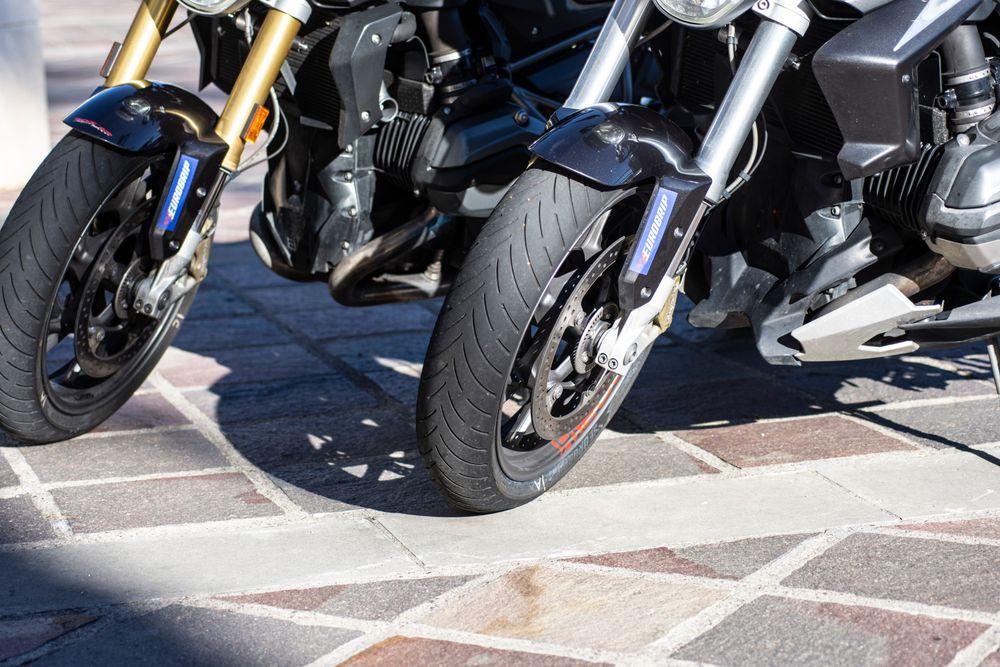
Eurogrip offers radial tyres designed specifically for Indian conditions, tested across European, Japanese, and Indian road surfaces. Their Dual Tread Compound Technology provides the grip and mileage balance that Indian riders need, while the Roll Balanced Unique Tyre Construction (RoBusT) ensures safe cornering at higher speeds.
Choose nylon tyres if you ride primarily on rough terrain, carry heavy loads regularly, or need the lowest possible upfront cost. Choose radials if you value grip, comfort, fuel savings, and longer service life on paved roads. The numbers support radials for most Indian riders who cover significant distances on highways and city streets.
Yes, most modern motorcycles accept radial tyres, but check your manufacturer's specifications first. Some older commuter bikes with smaller wheel sizes may require bias-ply tyres. Your tyre dealer can confirm compatibility.
Radial tyres require the same basic maintenance as nylon tyres: regular pressure checks, visual inspections, and proper storage. However, maintaining correct pressure is critical because radials can deform under heavy loads if underinflated.
Lower upfront cost and better performance on rough rural roads keep nylon tyres relevant. Many commuter bikes and scooters come factory-fitted with bias-ply tyres because their owners prioritise affordability over high-speed performance.
Radial tyres last approximately seven years versus five years for nylon tyres under normal use. The even pressure distribution across the radial tread creates uniform wear patterns, extending usable life significantly.
At highway speeds, yes. Radial tyres maintain their profile during high-speed riding and dissipate heat better, reducing blowout risk. Their superior wet-weather grip also improves braking safety. For low-speed rural riding with heavy loads, nylon tyres perform adequately.