
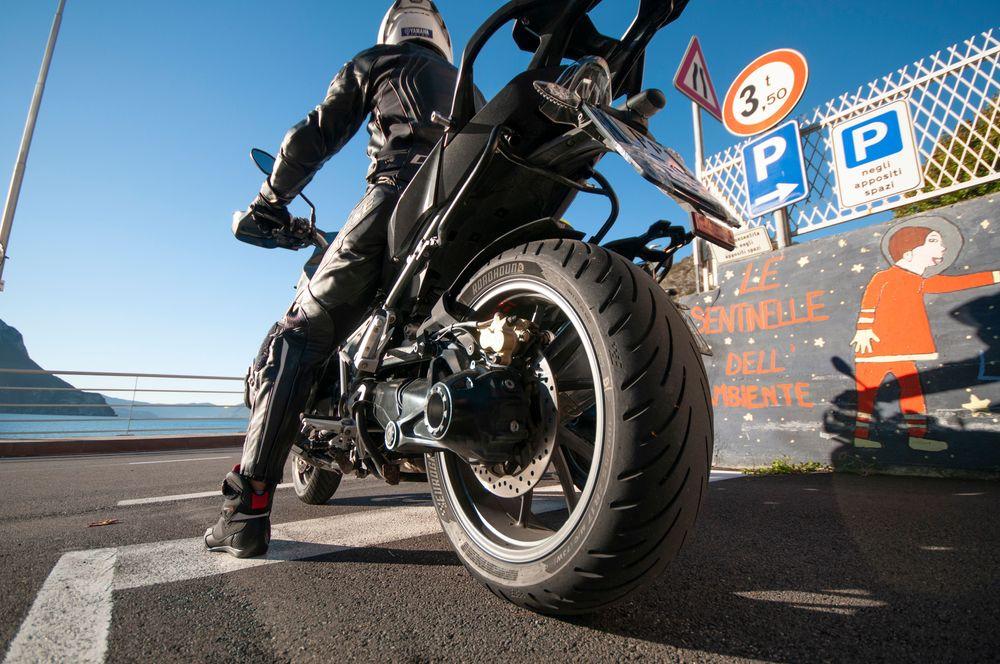
Summary: Planning to upgrade to radial tyres, but unsure how much you should spend? This Radial Tyre Price Guide 2026 breaks down the latest price ranges across popular brands and vehicle segments. Learn what affects radial tyre prices, how to compare value beyond the price tag, and tips to choose the right tyre for your budget without compromising on safety or performance.
Choosing the right radial tyre isn't just about finding the cheapest option. Prices vary based on tyre size, vehicle type, brand reputation, tread design, speed rating, and technology.
Whether you're replacing worn-out tyres on your daily commuter, upgrading your bike, or looking for premium performance rubber, understanding current market prices can help you make a smarter purchase. This guide covers the expected radial tyre price ranges in 2026, the factors influencing costs, and how to get the best value for your money before you buy.
The radial tyre cost for bike purchases depends on three primary factors: construction technology, tyre size, and brand origin. Understanding these helps you make smarter buying decisions.
Construction technology drives the base cost. Radial tyres use internal plies running straight across the carcass, with steel or synthetic belts placed under the tread. This zero-degree steel radial belt construction requires advanced manufacturing processes. MRF's Steel Brace SP-01 superbike tyres, for instance, use this technology and command ₹17,000 per tyre for a Hayabusa fitment.
Size matters significantly. Wider and larger tyres consume more material and demand higher performance ratings. A 110/70ZR17 front tyre typically costs ₹4,500 to ₹5,500, while a 150/70R17 rear tyre ranges from ₹5,500 to ₹7,000 for the same brand.
Brand origin affects pricing by 20 to 30%. Imported brands like Michelin, Pirelli, and Continental carry premiums due to import duties, GST, shipping costs, and higher manufacturing standards. Domestic brands like MRF, Apollo, CEAT, and Eurogrip offer comparable performance at more accessible price points.
| Tyre Category | Price Range (₹) | Typical Fitment |
|---|---|---|
| Entry Radial (150-250cc) | 3,000 to 4,500 | Apache RTR 200, Gixxer 250 |
| Mid-Range Radial (300-400cc) | 4,500 to 6,500 | KTM 390, RC 390, Apache RR 310 |
| Premium Radial (500cc+) | 6,500 to 10,000 | Dominar 400, Continental GT 650 |
| Superbike Radial (1000cc+) | 12,000 to 18,000 | Hayabusa, Ninja ZX-10R |
| Adventure Radial | 4,000 to 7,000 | Himalayan 450, V-Strom SX |
India's two-wheeler radial tyre market is projected to grow at 6.7% CAGR from 2024 to 2030, driven by increasing performance bike sales and rider awareness about safety benefits.
The radial tyre price in India runs 40 to 60% higher than bias-ply equivalents. Here is where that extra cost translates into real riding benefits.
Radial construction delivers measurably better high-speed stability. The flexible sidewalls absorb road imperfections while the rigid tread area maintains consistent contact with the tarmac. For riders covering 500+ kilometres regularly, this means less fatigue and more predictable handling through sweeping curves.
MRF claims their Steel Brace SP-01 radials deliver 15% longer life than Bridgestone S23 tyres during controlled testing. That longevity partially offsets the higher purchase price.
Better grip at lean angles: Radials maintain contact patch shape during cornering
Lower rolling resistance: Translates to marginally better fuel economy over thousands of kilometres
Heat dissipation: Radial construction handles sustained highway speeds without degradation
Consistent wear patterns: Even tread wear extends replacement intervals
Radials are not universally superior. For city commuting under 40 km/h average speeds, bias-ply tyres offer adequate performance at significantly lower cost. Budget commuter tyres range from ₹1,000 to ₹2,500, while radials for similar sizes start at ₹3,000.
Rough or poorly maintained roads also favour bias-ply construction. The stiffer sidewalls handle potholes and debris better than radial sidewalls designed for smooth tarmac.
If your daily route resembles an obstacle course more than a road, consider whether radial benefits apply to your situation.
| Performance Factor | Radial Advantage | Bias-Ply Advantage |
|---|---|---|
| Highway stability | Significantly better | None |
| City pothole handling | Moderate | Better |
| Heat resistance | Superior | Adequate for low speeds |
| Purchase cost | 40-60% higher | Budget-friendly |
| Longevity | 10-20% longer | Standard |
| Load capacity | Standard | Often higher |
Eurogrip's Roadhound zero-degree steel belted radial tyres balance these considerations effectively. The Tri-Polymer Tread Compound (TriP) technology uses high-structure carbon to optimise grip, mileage, and durability simultaneously, addressing the common trade-off between performance and longevity that plagues many radial options.
Smart tyre buying means matching your actual riding patterns to the right price bracket, not simply choosing the cheapest or most expensive option.
For sport-touring riders covering mixed highway and city kilometres, mid-range radials between ₹4,500 and ₹6,500 offer the best value. Reise TraceRad tyres at ₹5,199 (front) and ₹6,199 (rear) come with six-year warranties, making them cost-effective over their lifespan.
For adventure riders, the Reise tourRad range spans ₹3,099 to ₹6,999, depending on size, designed for 80% road and 20% off-road use. These fit popular machines like the KTM 390 Adventure, Royal Enfield Himalayan 450, and Suzuki V-Strom SX.
For performance enthusiasts, domestic premium options from Eurogrip deliver excellent value. The Deep Design Tread (D²T) pattern with high tread rubber volume ensures longevity without sacrificing grip. Check the complete Eurogrip radial range for size-specific pricing and fitment guides.
Eurogrip Radial Tyre Price Table (2026)
| Model | Front Size | Rear Size | Price Range (₹) |
|---|---|---|---|
| Roadhound | 110/70ZR17 | 150/60ZR17 | 4,200 to 5,800 |
| Protorq Extreme | 110/70R17 | 140/70R17 | 3,800 to 5,200 |
| Exlo-R Adventure | 100/90-19 | 140/80R17 | 3,500 to 4,800 |
The Indian tyre industry, valued at approximately ₹100,000 crore, continues evolving with domestic manufacturers narrowing the quality gap against imports. Your radial tyre price investment today delivers better performance per rupee than ever before.
Radial tyres require advanced manufacturing with steel or synthetic belts placed at zero degrees under the tread. This construction demands precision equipment and higher-quality materials, increasing production costs by 30 to 50% compared to traditional bias-ply methods.
No. Your motorcycle must be designed for radial fitment, typically bikes above 150cc with appropriate rim specifications. Check your owner's manual or consult your dealer before switching from bias-ply to radial construction.
Quality radials typically deliver 15,000 to 25,000 kilometres depending on riding style and road conditions. MRF claims their Steel Brace SP-01 offers 15% longer life than comparable imports. Highway riding extends life; aggressive city riding reduces it.
Not necessarily. Domestic brands like Eurogrip, MRF, and Apollo now offer comparable performance for Indian road conditions. The premium for imported tyres reflects duties and logistics rather than proportionally superior technology.
Replace when tread depth reaches 1.6 mm (the legal minimum) or when tread wear indicators become visible. Also inspect for sidewall cracks, bulges, or uneven wear patterns that indicate structural issues, regardless of remaining tread.