
Buying a new tyre often comes down to one question: should you choose a local brand or spend more on an international one? Many riders assume a higher price always means better performance. That is not always true. A tyre’s real value comes from its design, materials, testing, and suitability for your riding needs. This tyre brand quality comparison looks beyond logos and marketing claims.
If you have ever wondered about local vs international brands in India, this guide will help you make a smarter decision for your next tyre purchase today.
Many riders believe international brands sit at the top of the quality ladder, while local brands occupy the budget end of the market.
That view is no longer accurate.
Today's tyre industry has multiple quality levels. Some local manufacturers produce tyres using advanced research, modern compounds, and extensive testing. At the same time, some international products are designed as entry-level options aimed at affordability.
This is why a meaningful tyre brand quality comparison should focus on engineering, performance, and intended use rather than country of origin.
One of the biggest differences between tyre categories comes from the compound. The compound is the blend of materials used to create the tread. It affects grip, durability, braking performance, and overall riding confidence.
Many local tyre manufacturers focus on creating compounds suited to:
Many international manufacturers invest heavily in specialised compounds designed for:
Compound Focus | Local Brands | International Brands |
| Durability | Often prioritised | Balanced with performance |
| Heat resistance | Optimised for local conditions | Depends on target market |
| Wet grip technology | Varies by segment | Often more advanced in premium categories |
| Riding focus | Daily use | Specialised applications available |
This part of a tyre brand quality comparison highlights why two tyres that look similar can perform differently on the road.
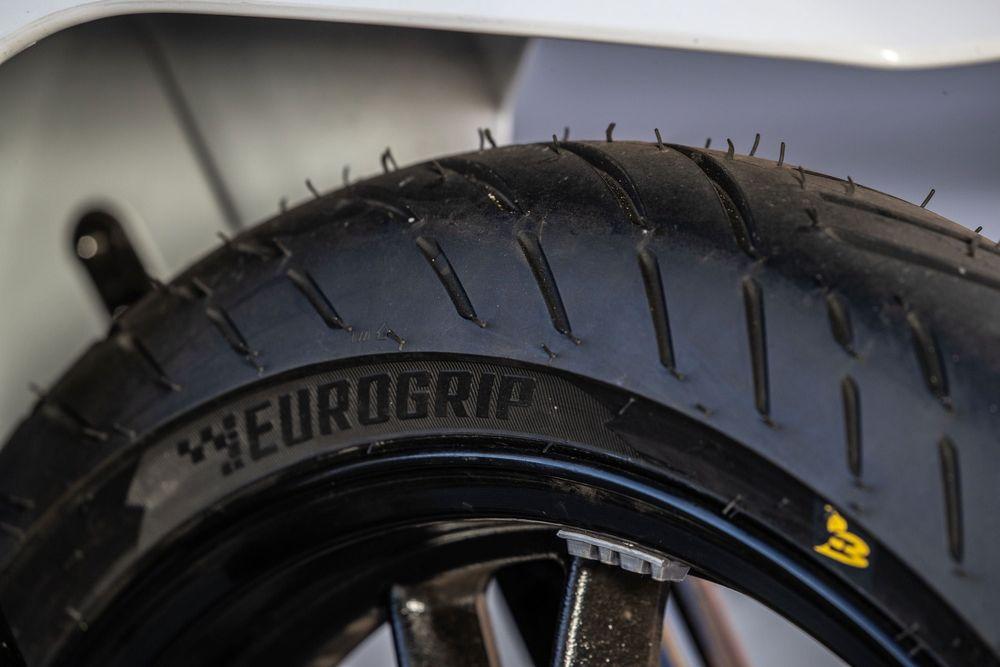
Eurogrip is worth considering if you are looking for tyres that balance grip, durability, and everyday performance. Its range caters to different riding styles, from daily commuting to long-distance touring.
A common assumption is that international tyres automatically follow higher standards. The reality is more balanced.
Every road-going tyre must meet defined safety and performance requirements before reaching consumers. These standards evaluate factors such as:
The difference is not usually the standard itself. The difference often comes from how far manufacturers go beyond the minimum requirements.
A local tyre and an international tyre may both satisfy the same safety requirements. However, one manufacturer may invest more heavily in:
This distinction becomes important when discussing local vs international brands in India.
Construction influences how a tyre behaves during everyday riding. It affects:
Many locally developed tyres focus on:
Many international tyres focus on:
| Construction Priority | Local Brands | International Brands |
| Rough-road durability | Often emphasised | Depends on category |
| High-speed stability | Good in premium segments | Frequently prioritised |
| Daily comfort | Strong focus | Varies by application |
| Performance handling | Available in premium ranges | Broad specialised range |
Testing is another area that separates tyre categories. Manufacturers evaluate tyres under conditions such as:
Many local manufacturers place strong emphasis on:
International manufacturers may conduct testing across multiple countries and environments. This can include:
Two tyres may appear identical on a showroom floor. The real difference may lie in production consistency. Quality control helps manufacturers monitor:
Local manufacturers may focus on delivering dependable consistency within their target market requirements. International manufacturers may invest heavily in global quality systems that support products sold across multiple markets. For riders, better consistency can contribute to:
This area is often overlooked during a tyre brand quality comparison, even though it directly affects the riding experience.
When comparing tyres, price differences are not always linked to brand reputation alone. Several factors can influence cost.
| Price Driver | Local Brands | International Brands |
| Research investment | Varies by manufacturer | Often significant |
| Global testing programmes | Limited in some cases | Usually extensive |
| Distribution costs | Lower | Higher |
| Brand positioning | Moderate | Often premium |
| Product specialisation | Growing rapidly | Wide range available |
Many riders assume a lower price means lower quality. That is not always true. A commuter who rides through city traffic every day may benefit more from a durable tyre developed for local conditions than from a premium sports tyre designed for aggressive riding. This is one reason local vs international brands in India continue to be an important discussion.
Value depends on how well a tyre matches your riding style. A proper tyre brand quality comparison should focus on suitability rather than price alone.
Instead of comparing only logos, compare the factors that genuinely affect performance. Consider:
The debate around local vs international brands in India often becomes a discussion about perception. In reality, the differences are more nuanced. Local brands may offer excellent value, durability, and suitability for Indian riding conditions. International brands may offer specialised technologies, wider performance options, and extensive global testing.
The smartest decision is not choosing a tyre based solely on its origin. It is choosing a tyre that matches your motorcycle, riding habits, and expectations for every ride.
For riders seeking a balance of performance, durability, and everyday usability, Eurogrip delivers tyre options developed through advanced research and tested across varied riding conditions.