
As a bike rider, you know that bike tyre air pressure plays a crucial role in your riding experience and safety. Maintaining the right tyre air pressure is essential for optimal bike performance, handling, and longevity. In this comprehensive guide, we'll explore the impact of tyre pressure on various aspects of your bike's performance and provide practical tips to help you keep your tyres in top condition.
Your bike's tyre pressure has a significant impact on various aspects of your ride. Let's review what they are.
Bike tyre pressure directly affects your bike's handling and stability. When your tyres are properly inflated, they maintain their shape and provide optimal contact with the road surface. This allows for better traction, cornering, and overall control of your bike. On the other hand, under-inflated tyres can lead to sluggish handling, reduced responsiveness, and an increased risk of punctures or tyre damage.
Believe it or not, bike tyre air pressure can also impact your fuel efficiency. When your tyres are under-inflated, they create more rolling resistance, which means your engine has to work harder to maintain the same speed. This leads to increased fuel consumption and reduced mileage. By maintaining the recommended tyre air pressure, you can improve your bike's fuel efficiency and save money on petrol in the long run.
Proper bike tyre pressure front and rear, is crucial for even tyre wear and extended tyre life. Over-inflated tyres tend to wear out faster in the centre, while under-inflated tyres experience increased wear on the edges. By keeping your tyres at the recommended pressure, you ensure that the tread wears evenly, maximising the lifespan of your tyres and saving you from premature replacements.
By following these steps, you can ensure that you maintain optimal pressure for your bike's tyres.
The first step in determining the optimal tyre air pressure for your bike is to consult your owner's manual. Manufacturers provide specific recommendations based on your bike's make, model, and tyre size. These recommendations take into account factors such as the bike's weight, suspension setup, and intended use. Following the manufacturer's guidelines is a safe starting point for most riders.
While the manufacturer's recommendations serve as a general guideline, it's essential to consider your riding style and the conditions you typically encounter. If you frequently ride on rough or uneven surfaces, slightly lower tyre pressure can provide better traction and absorb more vibrations. However, if you primarily ride on smooth roads and prioritise speed, a slightly higher pressure may be beneficial.
Many tyre manufacturers provide a tyre air pressure chart that lists the recommended pressure range for different tyre sizes and load capacities. These charts are often printed on the sidewall of the tyre itself or can be found on the manufacturer's website. By referring to the chart and considering your specific tyre size and load, you can fine-tune your tyre pressure for optimal performance.
Maintaining Proper Tyre Pressure
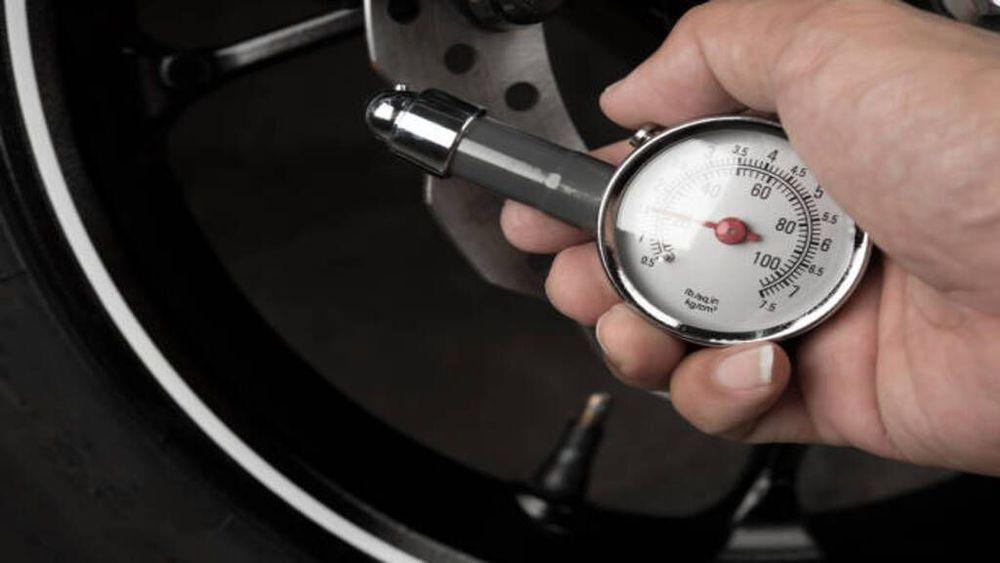
To accurately monitor and maintain your bike tyre pressure, invest in a reliable tyre pressure gauge. Digital gauges are generally more precise and easier to read than traditional analogue gauges. Look for a gauge with a clear display and a range that covers the recommended pressure for your bike's tyres.
Make it a habit to check your bike tyre air pressure at least once a week, or before every long ride. Tyres naturally lose air pressure over time, even if there are no visible punctures or leaks. By regularly checking and adjusting your tyre pressure, you ensure that your bike is always performing at its best and avoid potential issues caused by under-inflation.
Remember to adjust your tyre air pressure based on the load you're carrying and the riding conditions you expect to encounter. If you're carrying a passenger or heavy luggage, you may need to increase the pressure slightly to accommodate the additional weight. Similarly, if you're riding in wet or slippery conditions, a slightly lower pressure can provide better traction and stability.
When it comes to maximising your bike's performance through proper tyre pressure, choosing high-quality tyres is essential. We at Eurogrip offer a range of high-performance specialist tyres designed to outlive, outperform, and outdo.
Eurogrip tyres are crafted with precision engineering and technological expertise, ensuring optimal performance in various road conditions. By equipping your bike with Eurogrip tyres and maintaining the recommended tyre air pressure, you can experience enhanced handling, stability, and longevity, allowing you to tackle any journey with confidence.
Understanding the impact of tyre air pressure on your bike's performance is crucial for every rider. By maintaining the optimal bike tyre pressure based on your bike's specifications, riding style, and conditions, you can enhance handling, improve fuel efficiency, and extend the life of your tyres. Investing in a quality tyre pressure gauge, checking your pressure regularly, and choosing high-performance tyres like those offered by Eurogrip can take your riding experience to the next level.
Remember, proper bike tyre air pressure is not a set-and-forget task. It requires ongoing attention and adjustment to ensure that your bike performs at its best. By prioritising tyre maintenance and staying informed about the recommended tyre air pressure chart, you can enjoy a safer, more comfortable, and more enjoyable riding experience on every journey.