
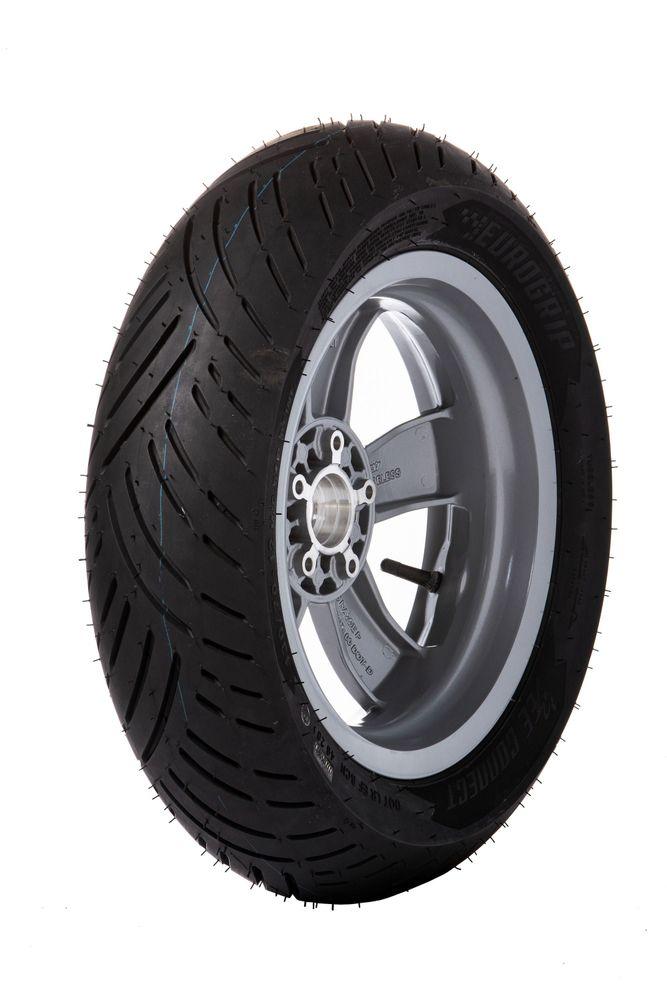
Those mysterious numbers and letters on your scooter tyre aren't random; they tell you everything about how to read tyre sidewall specifications. You've probably noticed them while checking tyre pressure or cleaning your scooter, yet most riders overlook these vital markings. Understanding them helps you choose replacements correctly, maintain safety standards, and get better performance from your two-wheeler, particularly on Indian roads.
The most prominent marking on any scooter tyre is the size designation, typically displayed as something like 90/90-12. Each component serves a specific purpose:
When you understand how to read tyre sidewall measurements, you'll notice these numbers directly affect your scooter's handling. A wider tyre provides more contact patch but might increase rolling resistance. The aspect ratio influences ride comfort; higher numbers mean taller sidewalls that absorb bumps better.
Different scooter models require specific sizes. Popular options include:
Next to the size marking, you'll find a combination like "54J". These codes are crucial for safety:
The load index (54 in our example) indicates maximum weight capacity:
| Load Index | Maximum Load |
|---|---|
| 50 | 190 kg |
| 54 | 250 kg |
| 56 | 280 kg |
| 58 | 312 kg |
Your scooter manual specifies the minimum required load index. Choose equal or higher ratings, especially if you frequently carry a pillion or luggage.
The letter following the load index represents speed capability:
Most scooters need only J-rated tyres, though higher ratings offer additional safety margins.
Finding the manufacture date requires locating the DOT code. This sequence starts with "DOT" followed by alphanumeric characters. The last four digits reveal production timing:
Example: DOT 2425 means manufactured in the 24th week of 2025.
Important: Replace tyres older than five years regardless of tread depth, as rubber compounds deteriorate over time.
Modern scooters predominantly use tubeless tyres, marked "TL" on the sidewall. Tube-type tyres show "TT". The distinction matters because:
Tubeless advantages:
Some tyres feature arrow markings indicating the correct rotation direction. Installing them backwards reduces wet grip and increases wear. Always check these arrows during mounting.
You'll find pressure ratings in PSI or kPa. Never exceed these limits, though optimal pressure usually sits below maximum. Eurogrip tyres typically recommend 26-32 PSI depending on size and load conditions.
Small raised bars inside tread grooves show minimum safe depth. When tread wears level with these indicators (marked TWI), replacement becomes mandatory. Indian regulations require a minimum 1mm tread depth.
Knowing how to read a tyre size chart and understanding scooter specifications in India can help you make smart choices. Riding in Indian conditions requires keeping certain factors in mind:
When referencing a tyre size chart for scooter options in India, remember that original equipment specifications provide the baseline. Eurogrip's research centres test products extensively across Indian conditions, ensuring sidewall markings reflect real-world capability.
Learning how to read tyre sidewall information empowers you to maintain your scooter properly. Keep a photo of your current tyre specifications for easy reference when shopping for replacements. Regular checks of manufacturing dates, wear indicators, and pressure specifications extend tyre life while ensuring safety.
Knowing how to read the tyre size chart for Indian scooter markings can help make smarter buying choices. Eurogrip offers clearly marked sidewalls on all its tyres, making it easy to match specifications. With factories in Madurai and Pantnagar producing over 3 million tyres each month, they maintain consistent quality and marketing standards. Eurogrips' thorough testing in Indian, European, and Japanese conditions confirms that the numbers on each sidewall accurately reflect real-world performance.