
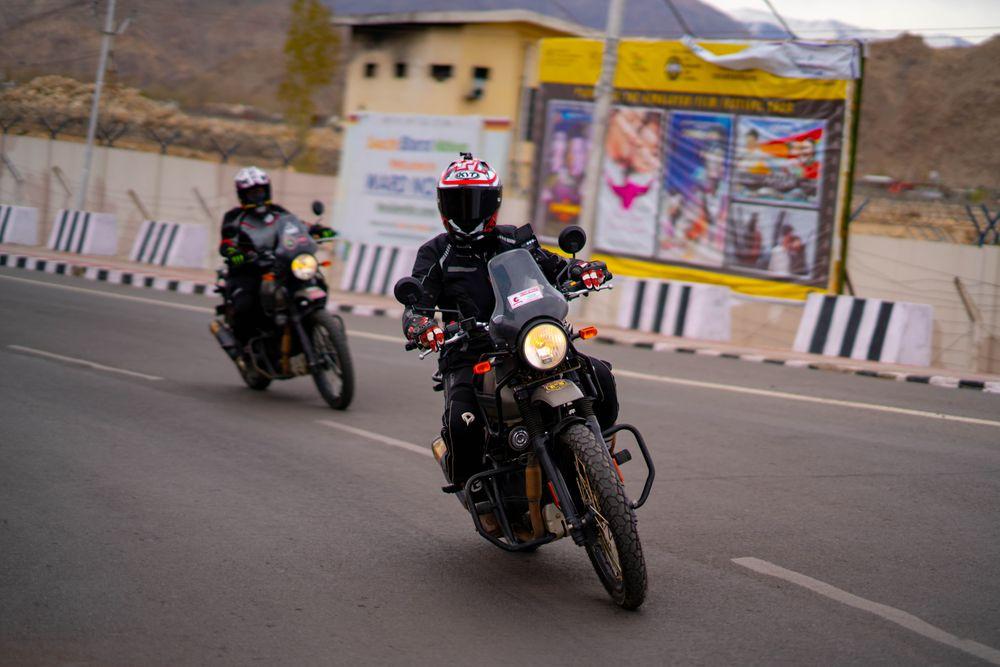
Heading home for the festive season means highway stretches, unpredictable road surfaces, and possibly a pillion with luggage. A quick bike maintenance checklist can prevent 70% of roadside breakdowns. This guide covers seven essential checks, with special attention to tyres, plus rider preparation tips and a final quick-reference checklist you can use before every long ride.
Your bike has carried you through the year. Now it needs to carry you 400 kilometres to your hometown, possibly with your partner and two bags strapped to the rear. A morning pre-ride check takes just 5 to 10 minutes, yet most riders skip it entirely.
That shortcut becomes expensive when you are stranded on a state highway at 2 pm with a flat tyre or seized chain. Follow this bike maintenance checklist before your festive journey, and you will ride with confidence instead of anxiety.
Start your inspection the day before departure, not the morning of. A comprehensive 12-item check takes about 30 minutes, giving you time to address any issues before shops close.
Tyres are the only parts of your motorcycle touching the road. During festive travel, you face highway speeds, uneven village roads, heavier loads, and unpredictable braking situations. Worn or damaged tyres multiply every risk.
Visual inspection comes first. Walk around your bike and examine both tyres for cuts, cracks, bulges, or embedded objects. Check the sidewalls carefully; a small crack can become a blowout at 80 km/h. Look for uneven wear patterns, which signal alignment problems or incorrect pressure over time.
Tread depth determines grip. The legal minimum is 1.6 mm, but aim for at least 2 mm before any long journey. Find the TWI (Tread Wear Indicator) markers inside your main grooves. If the tread surface is level with these markers, replace the tyre immediately. For typical Indian commuters covering 8,000 to 12,000 km annually, rear tyres last 15,000 to 25,000 km while front tyres manage 20,000 to 35,000 km.
Pressure requires a gauge, not guesswork. Check pressure when tyres are cold, ideally first thing in the morning. Your owner's manual specifies exact PSI for solo riding. When travelling with a pillion or luggage, increase rear tyre pressure by 2 to 4 PSI as recommended by your manufacturer.
Underinflated tyres cause instability, poor fuel economy, and dangerous overheating. Overinflated tyres reduce traction and increase blowout risk.
| Tyre Check | What to Look For | Action Required |
|---|---|---|
| Tread depth | Below 2 mm or level with TWI | Replace before journey |
| Sidewall condition | Cracks, bulges, cuts | Replace immediately |
| Pressure (solo) | Per manufacturer spec | Adjust to recommended PSI |
| Pressure (loaded) | 2 to 4 PSI above solo setting | Adjust before loading |
| Age | Over 5 years regardless of tread | Replace tyre |
If you are considering new tyres, the best tubeless tyres for bikes in India offer significant safety advantages for long-distance travel. Tubeless tyres deflate gradually after punctures rather than suddenly, giving you time to pull over safely.
Roadside plug repairs take just 5 to 10 minutes. Brands like Eurogrip engineer their tyres with optimised tread patterns using computer-aided FEA techniques, delivering even wear and excellent grip in both dry and wet conditions.
Brakes: Front and rear brake pads should measure at least 3 mm thick. Squeeze both levers; they should feel firm, not spongy. A soft lever indicates air in the brake lines or low fluid. Top up brake fluid if the reservoir shows below the minimum mark.
Engine oil: Check the sight glass or dipstick. Oil should reach the full mark and appear amber, not black or milky. If your next oil change falls within 500 km, complete it before leaving. Oil lubricates, cools, and protects your engine through every kilometre.
Chain: Press the chain at its midpoint. Free play should measure 25 to 30 mm. If the chain looks dry or makes noise, apply chain lubricant to the lower run, rotate the wheel, and let it sit for two minutes. Indian roads accumulate dust and grime quickly; a dirty chain increases friction and shortens component life. Inspect sprocket teeth as well. Hooked or shark-fin shaped teeth mean the sprocket set needs replacement.
Battery: Clean any corrosion from terminals. A healthy battery reads 12.4V or higher. Weak batteries fail precisely when you need them most, often after stopping at a dhaba mid-journey.
Lights: Test every light. Low beam, high beam, tail light, brake light, both indicators, and hazard flashers. A non-functional brake light on a highway is genuinely dangerous.
Fuel: Start with a full tank. Refuel whenever you drop below quarter-tank, regardless of remaining range. Your bike's mileage drops 15 to 20% when fully loaded or riding at altitude. Carry a 1-litre metal fuel can for emergencies on remote stretches.
Your bike might be perfectly maintained, but rider fatigue causes more accidents than mechanical failure.
Rest and hydration matter. Never ride after sleeping less than six hours. Stop for 10 to 15 minutes every two hours. Get off the bike, stretch your legs, and drink 300 ml of water even if you do not feel thirsty. Dehydration and stiff muscles slow your reaction time.
Distance limits exist for good reason. Cap your daily riding at 400 to 500 km on highways, 250 to 300 km in hilly terrain, and 200 km at high altitude. Start by 6 am and finish by 5 pm. Night riding outside city limits in India carries serious risks from unlit vehicles, animals, and poor road markings.
Documents and emergency kit:
Plan your route using Google Maps, but cross-reference fuel station locations with your actual mileage. Festival traffic can add hours to familiar routes, so identify alternative roads and rest stops in advance.
A systematic approach prevents missed items. Use this checklist the evening before departure and again on the morning of your ride.
Evening before (30 minutes):
Morning of ride (5 minutes):
Eurogrip tyres, designed with RoBusT (Roll Balanced Unique Tyre Construction) technology, provide stability during high-speed cornering and confident handling through varied road conditions. When your bike maintenance checklist includes quality tyres rated for Indian highways and village roads alike, you reduce risk before your journey begins. Explore Eurogrip's range at tvseurogrip.com to find the right fit for your festive travel.
How often should I check tyre pressure before a long ride?
Check pressure every two weeks during regular use and always before any long journey. Measure when tyres are cold for accurate readings. If travelling with a pillion or heavy luggage, add 2 to 4 PSI to the rear tyre as per your manufacturer's recommendation.
What is the minimum tread depth for safe highway riding?
The legal replacement threshold is 1.6 mm, but start any long journey with at least 2 mm of tread. Check the TWI markers inside your tyre grooves. If the tread surface reaches these markers, replace the tyre before travelling.
Are tubeless tyres better for long-distance festive travel?
Yes. The best tubeless tyres for bikes in India offer safer puncture behaviour, deflating gradually rather than suddenly. Roadside plug repairs take 5 to 10 minutes without removing the wheel, keeping you moving faster after unexpected punctures.
How far can I safely ride in one day during festive travel?
Limit yourself to 400 to 500 km on highways, 250 to 300 km in hilly terrain, and 200 km at altitude. Take 10 to 15 minute breaks every two hours. Start early and avoid riding after dark outside city limits.
What documents must I carry for a long bike ride?
Carry your original driving licence, RC book, valid insurance policy copy, and pollution certificate. Keep these accessible, not buried in luggage. A roadside check should take minutes, not a frantic search through your bags.