
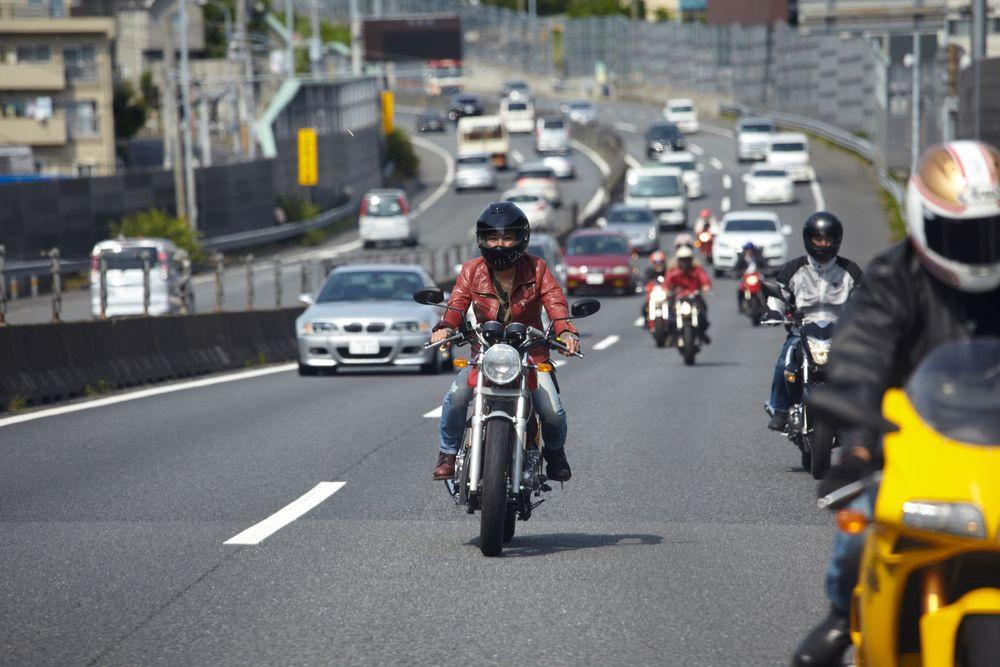
Travelling from city streets to village roads means encountering vastly different surfaces within a single journey. Your motorcycle or scooter faces smooth tarmac, broken highways, gravel patches, and unpaved rural tracks. This guide covers tyre preparation, pressure adjustments, and defensive riding strategies to help you handle every road type safely.
When you ride from a metro city to your hometown village, you cross multiple road conditions in just a few hours. Smart bike riding tips start with understanding this reality: no single tyre setup makes every road safe.
Your preparation and riding approach matter as much as your equipment. Indian roads mix well-maintained highways with pothole-riddled stretches, loose gravel, and uneven village paths. The key lies in checking your vehicle before departure and adjusting your riding style as surfaces change beneath your wheels.
Your journey typically begins on urban roads featuring smooth asphalt, speed bumps, and sudden traffic. City streets demand quick reflexes for avoiding autorickshaws, pedestrians, and stray animals. Within 30 to 50 kilometres, you transition to state or national highways where surfaces improve but speeds increase.
The real challenge starts when you exit main highways. District roads often feature broken tarmac, exposed aggregate, and patches where monsoon damage remains unrepaired. Research indicates that Indian road conditions vary significantly from place to place, requiring riders to prepare for sudden obstacles and changing surfaces.
Village approach roads present the toughest test. You face:
Your tyres are the only contact point between your vehicle and the road. On smooth city tarmac, worn tyres might feel acceptable. On gravel or wet village roads, the same tyres become dangerous.
Check your tread depth before any long journey. Tyres with worn tread lose grip on loose surfaces and take longer to stop on wet roads. The tread pattern channels water away from the contact patch; without adequate depth, you risk hydroplaning during unexpected rain.
Sidewall condition matters equally. Rural roads hide sharp stones, broken glass, and metal debris. Cracked or damaged sidewalls increase puncture risk precisely when you are furthest from help. Tyres with wider profiles and good tread patterns provide better grip and stability on uneven surfaces, making them more suitable for mixed-terrain journeys.
| Road Type | Surface Characteristics | Tyre Demands | Riding Adjustment Needed |
|---|---|---|---|
| City streets | Smooth tarmac, debris | Standard grip | Quick manoeuvring |
| Highways | Consistent surface | Heat resistance | Sustained speed handling |
| District roads | Broken patches, gravel | Puncture resistance | Reduced speed |
| Village tracks | Loose, uneven, muddy | Deep tread, strong sidewalls | Significantly slower pace |
Vehicle readiness involves more than tyre checks. A systematic pre-journey inspection prevents breakdowns in areas where roadside assistance takes hours to arrive.
Manufacturers specify tyre pressures for a reason. These figures account for load capacity, heat generation, and optimal contact patch size. Always start with your vehicle manufacturer's recommended pressure, typically found on a sticker near the seat or in your owner's manual.
For mixed-terrain journeys, consider these adjustments:
Remember to reinflate when returning to tarmac. Lower pressures increase rolling resistance and heat buildup at highway speeds, accelerating wear and raising puncture risk.
Check your brakes, tyre pressure, and controls regularly. A well-maintained bike minimises breakdown risk in challenging conditions. Inspect brake pad thickness, lever free play, and fluid levels. Test your horn, lights, and indicators; village roads often lack streetlights, making visibility equipment essential.
Carry a puncture repair kit, basic tools, and 1 litre of spare petrol. Rural petrol pumps close early and may be 30 to 40 kilometres apart.
Your tyre choice should match your typical riding pattern. Commuters who occasionally visit villages need tyres balancing highway comfort with adequate grip on broken surfaces. Frequent rural riders benefit from dual-purpose tyres designed for both tarmac and off-road use.
Off-road tyres enhance a vehicle's capacity to handle different road types. They feature deeper treads, aggressive patterns, and reinforced sidewalls. However, these tyres often produce more noise on highways and wear faster on tarmac.
Eurogrip's RoBusT (Roll Balanced Unique Tyre Construction) technology offers optimised design for safe cornering across varied surfaces. The A-SeT (Air Seal Inner Liner Technology) retains air pressure longer, maintaining ride comfort even when rural roads delay your access to air pumps.
Consider tyre specifications for popular adventure motorcycles:
| Motorcycle | Engine | Front Tyre Size | Rear Tyre Size |
|---|---|---|---|
| Hero XPulse 200 | 200cc | 90/90-21 | 120/80-18 |
| Royal Enfield Himalayan | 411cc | 90/90-21 | 120/90-17 |
Preparation covers only half the safety equation. Your riding approach determines whether good tyres and a well-maintained bike actually protect you.
Maintain greater following distance as road quality decreases. The vehicle ahead kicks up dust, gravel, and debris that can hit your visor or lodge in your tyres. Extra distance also provides reaction time when they swerve around potholes you cannot yet see.
Defensive riding essentials for mixed terrain:
Schedule your journey to avoid riding between 12 PM and 3 PM when heat peaks. Summer temperatures in northern India reach 45°C, causing fatigue and reducing concentration. Early morning departures (5 to 6 AM) offer cooler conditions and lighter traffic.
Take breaks every 45 minutes on rural stretches. Hydrate consistently, aiming for 1 to 2 litres per hour during hot weather. Watch for heat exhaustion signs: dizziness, nausea, or confusion. Stop immediately if these appear.
Your bike riding tips toolkit must include proper gear. Wear a well-fitting helmet meeting safety standards, a padded jacket, gloves, and sturdy footwear. Reflective bands increase visibility on unlit village roads after sunset.
For riders seeking reliable performance across city highways and village tracks, Eurogrip tyres deliver consistent grip through advanced construction technology. Explore the range at Eurogrip to find tyres matching your vehicle specifications and riding patterns.
What tyre pressure should I use for village roads?
Start with your manufacturer's recommended pressure. For gravel or loose surfaces, you can reduce pressure to 20 to 25 psi for improved grip. Reinflate to standard pressure before returning to highways.
How do I know if my tyres are suitable for off-road conditions?
Check tread depth and pattern. Best bike tyres for off-road use feature deeper treads, aggressive block patterns, and reinforced sidewalls. Your owner's manual specifies approved tyre sizes for your vehicle.
What essential items should I carry for city to village rides?
Pack a puncture repair kit, basic tools, 1 litre spare petrol, 2 litres of water, and first aid supplies. Carry your vehicle documents and emergency contact numbers.
How often should I stop during long rural rides?
Take breaks every 45 minutes on rural stretches and every 2 hours on highways. Use stops to hydrate, check tyre condition, and rest your eyes from sun glare.
What should I do if I encounter unexpected gravel or mud?
Reduce speed gradually before entering the surface. Keep a steady throttle, avoid sudden braking, and look ahead rather than directly at obstacles. Allow the bike to move beneath you rather than fighting for control.