
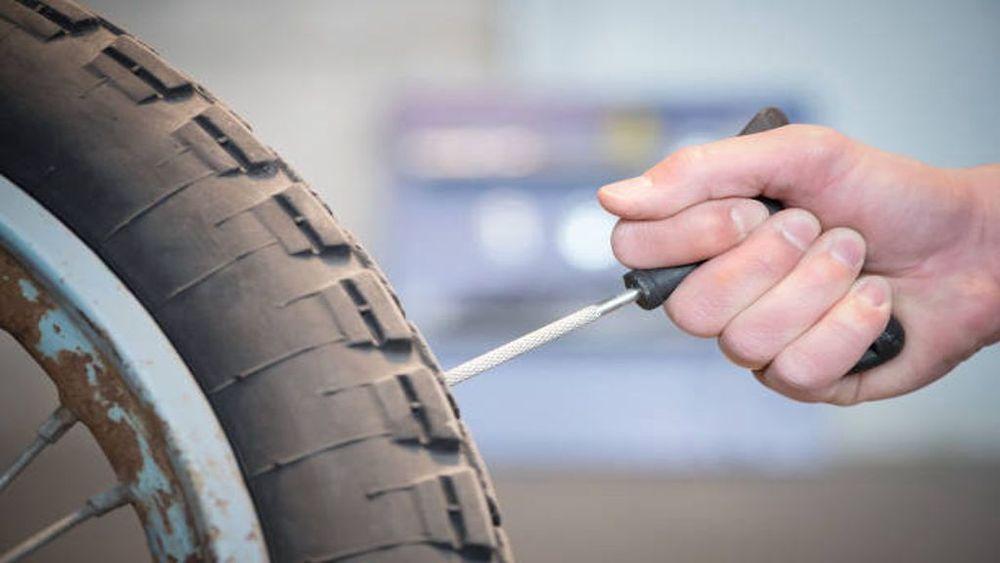
Dealing with a tubeless tyre air leak can be frustrating, especially when you're eager to hit the road on your motorcycle. While it's natural for tyres to lose some air pressure over time, excessive or rapid air loss indicates an underlying issue that needs attention.
In this article, we'll explore the causes of air leaks in tubeless bike tyres and provide practical tubeless tyre maintenance tips to help you prevent and fix air leaks in tubeless bike tyres.
Before we dive into prevention strategies, it's essential to understand the common causes of air leaks in tubeless bike tyres:
Tyre rubber is slightly porous, allowing air molecules to seep through over time slowly. This natural process is more noticeable in older tyres or those exposed to extreme temperatures.
A loose, corroded, or damaged valve core can allow air to escape slowly. The valve stem itself may also crack or deteriorate, creating a slow leak in a tubeless tyre. A tubeless tire leaking at valve may require a closer inspection of the valve core and stem.
If the tyre bead doesn't seal properly against the wheel rim due to corrosion, damage, or improper installation, air can leak out from the base.
Rust, cracks, or bends in the wheel rim can compromise the seal between the tyre and the wheel, leading to gradual air loss. A tubeless tyre air leak from rim can often be traced to damage or an uneven sealing surface.
Tyre pressure decreases in colder temperatures and increases in warmer temperatures. Significant temperature swings or changes in altitude can cause noticeable changes in tyre pressure.
Sometimes, a previous puncture repair may develop a slow leak over time, even if it seemed successful initially. Checking the repaired area can help identify whether it is contributing to a recurring tubeless tyre air leakage problem.
Now that we've identified the common causes of air leaks in tubeless bike tyres, let's explore preventive measures to keep your tyres leak-free:
One of the most crucial tubeless tyre maintenance tips is to check your tyre pressure regularly, ideally before every ride. Use a reliable tyre pressure gauge to ensure your tyres are inflated to the manufacturer's recommended pressure. Maintaining optimal tyre pressure not only prevents tubeless tyre air leaks but also enhances your motorcycle's handling, stability, and fuel efficiency.
Regularly inspect your tyres and wheels for any signs of damage, such as cuts, punctures, or cracks. Please pay close attention to the tyre sidewalls, as they are more susceptible to damage. If you notice any issues, have them addressed by a professional tyre technician promptly to prevent further air loss.
Ensure that your tubeless tyres are installed correctly by a qualified technician. Improper installation can lead to air leaks in tubeless bike tyres, especially if the tyre bead isn't appropriately seated against the wheel rim. If you're installing the tyres yourself, follow the manufacturer's instructions carefully and use the appropriate tools.
Tyre sealant is a liquid solution that coats the inside of your tubeless tyres, helping to seal small punctures and prevent slow leaks in tubeless tyres. When a puncture occurs, the sealant rushes to the hole and hardens, creating a plug that prevents further air loss. While tyre sealant isn't a permanent solution, it can help you reach your destination safely until you can have the tyre repaired or replaced.
Whenever possible, try to avoid exposing your motorcycle tyres to extreme temperatures. Park your motorcycle in a cool, shaded area during hot summer days, and store it in a garage or covered space during cold winter months. Extreme temperatures can accelerate air loss and cause premature tyre wear.
Investing in high-quality tubeless motorcycle tyres can go a long way in maintaining reliable tyre performance. Look for tyres from reputable brands, such as Eurogrip, that are known for their durability and performance. Premium tyres are engineered with advanced compounds and construction techniques that support a safer, more reliable riding experience.
Despite your best efforts, air leaks in tubeless bike tyres can still occur. If you find yourself dealing with a tubeless tyre slow leak, here are some steps you can take to fix air leaks in tubeless bike tyres:
Preventing air leaks in tubeless bike tyres is crucial for maintaining optimal tyre performance, ensuring a safer ride, and extending the life of your tyres. By following these tubeless tyre maintenance tips, such as regularly checking tyre pressure, inspecting your tyres and wheels, using suitable tyre sealant, and investing in high-quality tyres like those offered by Eurogrip, you can minimise the risk of a tubeless tyre air leakage problem and enjoy a worry-free riding experience.
Remember, if you do encounter a slow leak in a tubeless tyre, don't ignore it. Address the issue promptly to prevent further damage and ensure your safety on the road. With proper maintenance and care, your tubeless motorcycle tyres will provide reliable performance for many miles to come.
Why does my tubeless tyre keep leaking air?
Tubeless tyres may leak air due to punctures, damaged valves, improper bead sealing, rim damage, or previous repairs.
How do I fix a tubeless tyre that's leaking from the rim?
Have a technician inspect the rim, clean sealing surfaces, check for damage, and properly reseat the tyre bead.
Is it normal for tubeless tyres to lose a little air?
Yes, tubeless tyres naturally lose small amounts of air over time, but frequent pressure drops may indicate leaks.
How often should I check tubeless tyre pressure?
Check your tubeless tyre pressure before every ride, preferably when tyres are cold, following the motorcycle manufacturer's recommendations.