
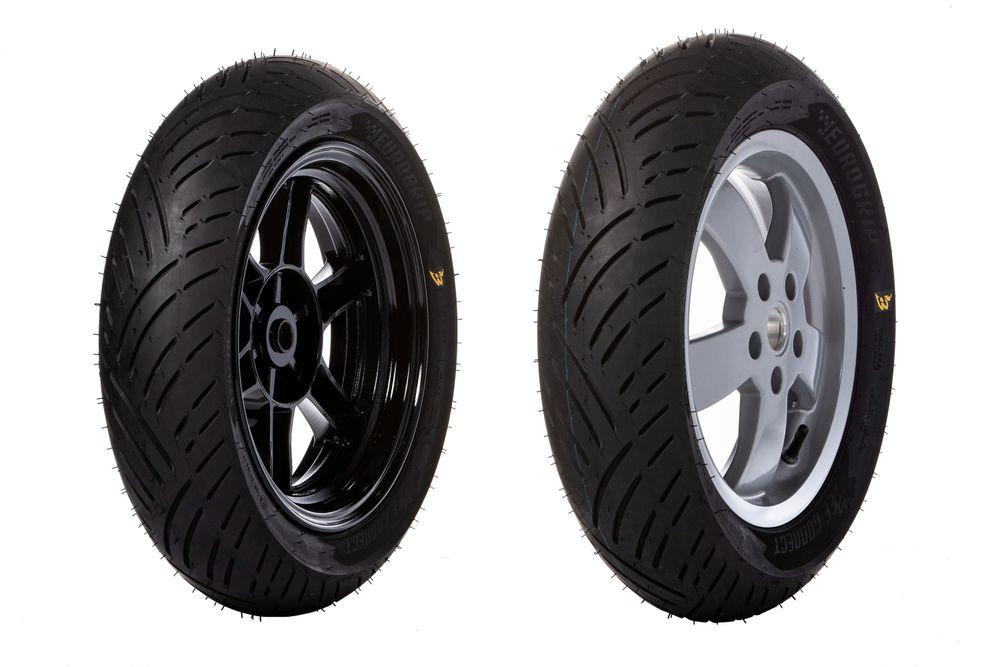
The right tyre can change how confidently your bike responds to everyday roads and longer rides. Choosing bike tyres requires more than checking their appearance or price. This blog explains how your riding style, motorcycle specifications, road conditions, grip, durability and handling can shape your tyre choice, with practical guidance for commuters, highway riders, tourers and mixed-road riders.
What should you look for when choosing bike tyres for your motorcycle or scooter? Your daily commute, weekend highway rides and occasional long trips can all place different demands on your tyres. The right choice starts with your actual riding habits, not just the tyre's appearance or price. Once you know how and where you ride most often, it becomes easier to narrow down suitable options and make a practical decision.
Before comparing tread patterns, grip or durability, check the specifications recommended by your motorcycle or scooter manufacturer. The tyre must be compatible with your vehicle.
Check these details:
These specifications form the starting point for choosing bike tyres. A tyre that does not match your vehicle's requirements should not be selected simply because it looks suitable.
Your riding pattern tells you more about your tyre requirements than a visual inspection ever can. Think about the roads you use most, your usual distances and the kind of riding you enjoy.
Riding Style | Priorities To Consider |
City commuting | Grip, predictable handling and durability |
Highway riding | Stability, grip and confident handling |
Touring | Durability, stability and consistent performance |
Mixed-road riding | Versatility, grip and handling |
Occasional long trips | Everyday usability with suitable long-distance capability |
If you ride mainly through busy streets, your tyres face frequent braking, acceleration, turns and changes in road surface.
A commuter may benefit from tyres that offer dependable grip and predictable handling. Durability also matters if you cover several kilometres every day.
For example, if most of your rides involve traffic, junctions and uneven urban roads, prioritise how confidently the tyres respond during regular stop-and-go riding.
Highway riding places different demands on your tyres. Longer stretches at steady speeds make stability and grip important considerations.
If you regularly ride on open roads, look for suitable tyres that support controlled handling at your motorcycle's recommended operating speeds. Your tyre choice should also suit the load you usually carry.
The aim is not to select the most aggressive-looking tyre. It is to find an option that suits the way you actually ride.
Touring can mean several hours in the saddle, often with luggage or a passenger. This makes durability and stability important factors.
A rider who regularly travels long distances may place greater emphasis on consistent performance over extended rides. Grip should remain a priority, especially when road surfaces and weather conditions change during a journey.
This is one reason choosing bike tyres based on your riding pattern can make more sense than choosing them based only on appearance.
Do you use your bike for weekday commuting but also take weekend rides on highways and less predictable roads? Your tyre requirements may sit between those of a city commuter and a dedicated touring rider.
Look for a balanced combination of:
A versatile option can make sense for riders who do not spend most of their time on just one type of road.
You may use your motorcycle mainly for commuting but take a longer trip every few months. In this case, you do not necessarily need a tyre selected solely for touring.
Instead, consider your normal weekly riding first. Then check whether the tyre's specifications and performance characteristics also suit the longer distances you plan to cover.
How do you compare suitable tyres after checking their basic specifications? Focus on three practical areas.
Factor | What To Consider |
Grip | How the tyre supports confident braking, cornering and acceleration |
Durability | How well the tyre suits your mileage and regular riding demands |
Handling | How naturally and predictably the bike responds to steering inputs |
Grip is particularly important when roads are wet or dusty. Tread design and rubber compounds can affect how a tyre interacts with the road.
Durability matters for riders who cover high daily mileage. Handling becomes especially noticeable during cornering, lane changes and changes in road surface.
Two riders can own the same motorcycle but need different tyre characteristics.
Consider a rider who travels 25 kilometres through city traffic every day. Grip, predictable handling and durability may matter most. Another rider may use the same motorcycle for regular 300-kilometre highway trips. Stability and long-distance performance may have greater importance for that rider.
This is why choosing bike tyres should start with your riding habits. Do not select a tyre simply because it looks sporty or because another rider recommends it.
Price is naturally part of any buying decision, but it should not be the only factor. If you are comparing suitable tyres, consider the expected usage and specifications alongside the purchase cost.
As a broad guide, two-wheeler tyre prices can range from around ₹1,500 to ₹6,000 per tyre, depending on the tyre size, construction, application and technology. Always check the current price for your specific fitment.
When deciding how to choose tyre for bike, ask whether the tyre matches your motorcycle, riding pattern and road conditions. This approach can help you avoid paying more for features you rarely use.
There is no single tyre that suits every rider. Your daily commute, highway usage, touring plans, road conditions and typical load all affect what you should look for.
Start with the manufacturer's recommended specifications. Then compare grip, durability and handling based on your actual riding needs. This practical approach makes choosing bike tyres less about looks and more about finding a suitable match for your motorcycle and riding style.
At Eurogrip, we develop two-wheeler tyres with different riding requirements in mind. Our range reflects our focus on quality, technology and the varied demands faced by riders. When you are ready to buy two-wheeler tyres, consider Eurogrip and choose a tyre that fits your vehicle and the way you ride.
Inspect tyres regularly for cracks, cuts, uneven wear, embedded objects, and other visible signs of damage.
Yes, rubber properties can change with age, so older tyres deserve careful inspection before continued use.
Yes, incorrect pressure can affect steering response, stability, braking behaviour, comfort, and overall tyre performance during rides.
They can differ because motorcycles often require different sizes, load ratings, and construction for each wheel.
Visible cracks, deep cuts, uneven wear, damaged tread, or excessive ageing can indicate replacement may be necessary.