
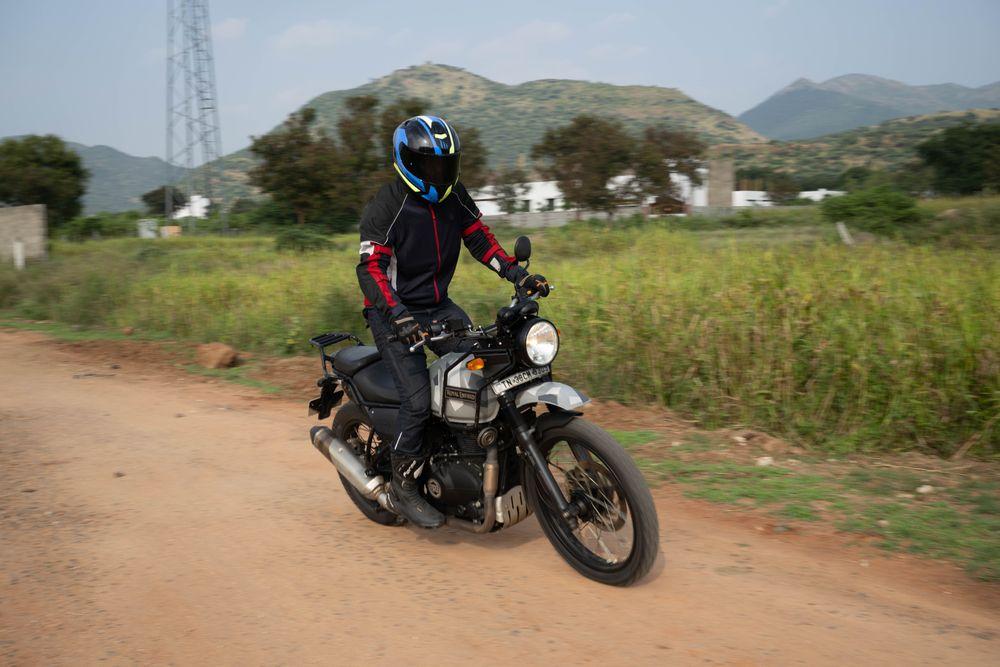
Choosing adventure bike tyres for Indian conditions means balancing highway stability, monsoon grip, and off-road capability. This guide explains how your road mix, load requirements, and motorcycle specifications should shape your tyre choice. You will learn to match tread patterns and construction types to your actual riding patterns.
A single ride from Bengaluru to Ladakh can take you across smooth expressways, broken mountain roads, and loose gravel trails. Finding the best sport touring motorcycle tyres for this variety demands more than picking a popular brand.
You need tyres that match your specific riding mix, your motorcycle's load capacity, and the terrain you actually encounter. Indian adventure riding throws unique challenges at your rubber: extreme heat reaching 45°C in summer, sudden monsoon downpours, and road surfaces that switch from tarmac to gravel without warning. The right tyre choice keeps you confident through all of it.
Start with your road mix. Most adventure touring kilometres happen on tarmac, so highway stability and wet grip matter just as much as off-road traction. Tyres carry different road-to-dirt split ratings that signal their intended use.
An 80/20 split suits riders who primarily tour highways but want confidence when roads deteriorate. A 90/10 split prioritises road comfort, ideal for reaching mountain destinations efficiently.
A 70/30 split caters to riders venturing further off-road, with aggressive tread blocks gripping loose surfaces. If you genuinely split time equally between road and trail, a 50/50 tyre delivers balanced performance.
Before exploring options, confirm your manufacturer's recommended tyre size and specifications. Your owner's manual lists the exact dimensions, load index, and speed rating your motorcycle requires.
Fitting incorrect sizes affects handling, speedometer accuracy, and safety. Load index matters significantly once you ride with full luggage.
A tyre rated for solo riding may lack sufficient margin for touring with panniers and a pillion. Calculate your loaded weight: kerb weight plus rider, pillion, and luggage. Compare this total against your tyre's rated load capacity. For example, sizes carrying a load index of 56 handle up to 224 kg per tyre.
Radial tyres dissipate heat more effectively and remain stable during long highway stretches at sustained speeds. This construction suits loaded touring particularly well. Bias-ply tyres still have their place for shorter rides at lower cruising speeds, offering
affordability and strong load-carrying capacity.
Tubeless tyres provide puncture resistance and easier roadside repairs, making them practical for remote touring. Tube-type options suit rugged terrains and older motorcycle models requiring them.
| Feature | Radial Construction | Bias-Ply Construction |
|---|---|---|
| Heat Dissipation | Superior | Moderate |
| Highway Stability | Excellent | Good |
| Loaded Touring | Ideal | Adequate |
| Price Point | Higher | Lower |
| Best Use | Long-distance, high-speed | Shorter rides, off-road |
Tread pattern directly influences grip, water dispersion, and debris clearance. Larger tread blocks improve traction on gravel and loose surfaces, while the spacing between blocks determines how efficiently water and mud clear from the contact patch. For Indian monsoon riding, this water evacuation capability can mean the difference between confident cornering and an unplanned slide.
High-silica compounds maintain consistent grip even as temperatures fluctuate between dawn chill and afternoon heat.
This characteristic proves essential on mountain routes where you might encounter freezing passes and warm valley roads within hours. Durability compounds extend tyre life to the 15,000-20,000 km range, significantly reducing your cost per kilometre.
Consider practical scenarios:
Steel-belt construction, particularly 0° steel-belt designs, maintains motorcycle stability when travelling with luggage or a pillion. This planted feel becomes noticeable during long highway days when fatigue sets in.
The adventure-bike tyre market in India has expanded considerably. Options now range from budget-friendly choices like the Shinko 705, offering decent grip and impressive longevity for cost-conscious riders, to premium offerings from Michelin, Pirelli, and Metzeler.
Eurogrip's Trailhound series represents locally-engineered options designed specifically for Indian road conditions and weather patterns. The Trailhound SCR, for instance, uses a high-silica compound and tread block geometry that clears water efficiently without disrupting tyre stability on road surfaces.
| Road/Dirt Split | Best For | Highway Feel | Off-Road Capability |
|---|---|---|---|
| 90/10 | Highway touring | Excellent | Light gravel only |
| 80/20 | Mixed touring | Very good | Moderate trails |
| 70/30 | Adventure focus | Good | Confident off-road |
| 50/50 | Equal split | Adequate | Strong trail performance |
Match your selection to an honest assessment of your riding. If your Ladakh trip follows NH44 to Manali, then paved roads to Leh with occasional gravel sections, an 80/20 tyre serves you better than an aggressive 50/50 pattern. The road-biased option offers superior comfort, grip, and durability for the majority of your journey while still handling deteriorated sections confidently.
Check tread depth before any major trip. If wear indicators are approaching, replace tyres before departure. Fresh rubber offers significantly better grip on wet roads, gravel, and broken mountain sections. Set correct tyre pressure each morning following manufacturer recommendations. Carry a tubeless puncture repair kit and portable inflator for emergencies. Inspect your tyres every evening for cuts, embedded stones, or sidewall damage.
Finding problems early beats discovering them halfway through a mountain pass.
Eurogrip's Optimised Tread Pattern Design Technology (OpT-PaD) uses computer-aided analysis to achieve even footprint pressure distribution. This engineering approach translates to even wear and excellent grip in both dry and wet conditions.
Their Roll Balanced Unique Tyre Construction (RoBusT) optimises cornering safety at higher speeds. For riders seeking the best sport touring motorcycle tyres that balance Indian road demands with genuine off-road capability, the Trailhound range merits serious consideration.
An expected life of 18,000 to 22,000 km at price points between ₹4,500 and ₹5,500 per tyre delivers strong value for touring riders. Explore the full range at Eurogrip.
What road/dirt split should I choose for Ladakh trips?
An 80/20 split suits most Ladakh journeys. Routes to Leh include extensive paved sections, so road-biased tyres offer comfort and durability while still handling gravel sections confidently.
How do I calculate if a tyre's load rating suits my touring needs?
Add your motorcycle's kerb weight to rider weight, pillion weight, and luggage weight. Compare this total against the tyre's load index rating. A 56-rated tyre carries up to 224 kg.
Should I lower tyre pressure for off-road sections?
Slightly lower pressure improves grip on loose surfaces. However, reinflate to manufacturer recommendations before highway riding. Underinflated tyres generate excessive heat and wear faster at sustained speeds.
How often should I inspect tyres during a long tour?
Check tyres every evening for cuts, embedded stones, and sidewall damage. Verify pressure each morning before riding. This routine catches problems before they become dangerous.
Are radial tyres always better than bias-ply for adventure touring?
Radials excel at highway stability and heat dissipation, making them ideal for long-distance touring. Bias-ply tyres suit shorter rides, lower speeds, and tighter budgets while offering strong load capacity.