
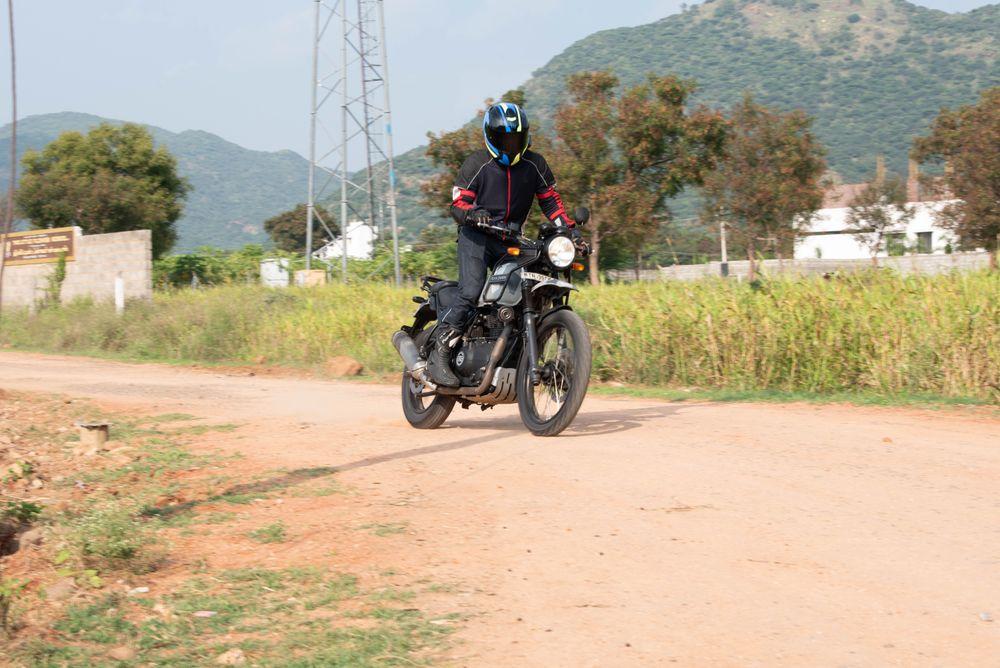
If your regular rides shift between highways, city streets and uneven village roads, tyre choice needs careful thought. This guide explains how road surfaces, weather, riding distance, frequency and riding style can shape your decision. It also covers tyre specifications, grip, tread, durability and handling, along with essential tyre pressure and condition checks that support safer riding across changing road conditions.
Your ride may begin on a smooth highway, pass through busy city streets and end on a rough village road. But are your tyres suited to such changing surfaces? Choosing tyres for mixed-road riding is not simply about selecting a certain tread pattern. You need to consider the roads you use most, your riding distance, weather and riding habits. Above all, your tyres should match your motorcycle’s recommended specifications and support the demands of your regular rides.
A rider who spends most of the week in city traffic may need different tyre characteristics from someone who regularly covers highways and rough rural roads. This is why asking which bike tyre is best for Indian roads has no single answer.
Highway journeys often mean sustained speeds and longer distances. Your tyres should match the motorcycle manufacturer’s specifications and offer handling characteristics suited to your intended use.
Pay attention to:
City roads bring frequent braking, turns, speed changes, potholes and stop-start traffic. Grip and predictable handling are useful factors to consider for everyday riding.
A search for best road tyres for mountain bike may lead to bicycle tyres, which are not suitable for motorcycles. Always check the tyre category and intended vehicle before comparing options.
Broken tarmac, gravel patches and irregular surfaces can place different demands on tyres. Tread characteristics, durability and grip deserve attention if such roads form a regular part of your route.
Do not assume an aggressive tread automatically suits every mixed-road ride. Consider how often you actually use rough roads.
Your route tells only part of the story. Frequency, distance, weather and riding style can change your tyre requirements.
Riding Factor | What To Consider |
Frequency | Daily commuters may give more importance to durability and consistent everyday behaviour. |
Distance | Longer rides make tyre condition and correct pressure particularly important. |
Weather | Regular wet-road use makes tread condition and suitable wet-road characteristics important. |
Riding Style | Relaxed commuting and spirited riding can place different demands on grip and handling. |
Load | A pillion or luggage adds weight, so the applicable load rating matters. |
These factors offer a more useful starting point than simply asking which bike tyre is best for Indian roads without considering your own usage.
Before comparing tread patterns, check the tyre specifications recommended by your motorcycle or scooter manufacturer. Refer to the owner’s manual for the required details.
Tyre size specifies dimensions and construction details suited to the vehicle. Using the recommended size helps retain the fit and handling characteristics intended by the motorcycle manufacturer.
The load rating refers to the load capacity associated with a tyre under specified conditions. The speed rating indicates its speed capability under specified test conditions.
Do not choose a tyre simply because its tread looks suitable. Correct specifications come first. This also matters if searches such as best road tyres for mountain bike direct you towards a different tyre category.
Mixed-road riders often need a balance of several tyre characteristics rather than focusing on just one.
Characteristic | What It Means For Your Ride |
Grip | Helps transmit braking, cornering and acceleration forces through tyre contact with the road. |
Durability | Relates to how a tyre copes with regular use over time. |
Handling | Influences how your bike responds to steering and direction changes. |
Tread | Grooves and channels can influence contact across road and wet conditions. |
No tread pattern is automatically suitable for every road. When considering which bike tyre is best for Indian roads, compare these characteristics with your most frequent riding conditions.
Start by estimating your real usage. For example, a 70:20:10 split between highway, city and rough-road travel gives you a more useful picture than simply calling your riding “mixed”.
Ask yourself:
What is my usual riding style?
Tyre selection is only one part of safe riding. Pressure and tyre conditions need regular attention on highways, city streets and rough roads alike.
Check pressure when the tyres are cold and follow the motorcycle manufacturer’s recommendation. Incorrect pressure can affect handling, wear and the way your bike responds on the road.
Inspect your tyres regularly for:
Mixed-road tyre selection starts with your motorcycle and the routes you actually ride. Check the manufacturer-recommended tyre size and applicable load and speed ratings first. Then consider road surfaces, weather, distance, grip, durability, handling and tread characteristics before making your choice.
At Eurogrip, we know that riding needs can change from smooth highways to busy streets and uneven rural roads. When it is time for a new set, consider Eurogrip two-wheeler tyres that match your motorcycle’s recommended specifications and your riding needs.
After fitting the right tyres, maintain the recommended pressure and inspect them regularly to help keep every ride safer.
They may suit occasional use, provided the tyre specifications and characteristics match your motorcycle and route conditions.
Not necessarily. Your tread choice should reflect how frequently you ride on rough or loose road surfaces.
Yes, depending on tyre specifications, intended application, road mix, motorcycle requirements, and your riding habits overall.
Yes. Your most frequently travelled surfaces should receive greater consideration when comparing suitable motorcycle tyre characteristics carefully.
Assess your usual road mix and select suitable tyres based on manufacturer specifications and intended tyre application.