
Choosing between budget and premium tyres confuses most riders. This guide breaks down the real differences in price, durability, grip, and long-term value.
You will learn when spending more makes sense and when a quality budget tyre serves you better. The goal is simple: match your tyre choice to your actual riding needs, not marketing claims.
A rear tyre lasting 15,000 km costs you very differently from one lasting 35,000 km. When comparing budget vs premium bike tyres, the sticker price tells only part of the story.
Your riding conditions, daily distance, and how long you plan to keep your motorcycle all affect which option delivers genuine value. Budget tyres in India range from ₹1,000 to ₹2,500, while premium options exceed ₹4,000 and can reach ₹6,500 or more.
Start with your motorcycle manufacturer's specifications. Every bike comes with recommended tyre sizes and load ratings for good reason. Fitting the wrong size compromises handling, braking, and safety. Once you know your size requirements, consider these factors in order of importance.
Riding conditions matter most. City commuters face stop-and-go traffic, speed breakers, and pothole-filled roads. Highway riders encounter sustained high speeds and need stable grip at lean angles. Monsoon riders require superior wet traction to prevent aquaplaning. Your typical riding environment should shape your choice more than brand prestige.
Daily distance affects tyre economics. A rider covering 8,000 km yearly has different needs than someone logging 20,000 km. Budget tyres typically deliver 15,000 to 25,000 km on rear wheels, while premium options stretch to 25,000 to 40,000 km. For high-mileage riders, the premium tyre's longer life often offsets its higher purchase price.
| Factor | Budget Tyre | Premium Tyre |
|---|---|---|
| Price range | ₹1,000 to ₹2,500 | ₹4,000 to ₹6,500+ |
| Rear tyre lifespan | 15,000 to 25,000 km | 25,000 to 40,000 km |
| Wet grip technology | Basic tread patterns | Advanced water channelling |
| Heat resistance | Adequate | Superior compounds |
| Best suited for | City commuting, occasional use | Highway travel, monsoon riding |
Premium tyres justify their cost through engineering. Advanced rubber compounds resist heat better on India's summer roads, where surface temperatures can accelerate wear significantly. Deeper initial tread depth and optimised groove geometry improve water dispersal during monsoons.
Budget tyres from reputable Indian brands like MRF, CEAT, Apollo, and TVS Eurogrip are not inferior products. These manufacturers test extensively on Indian roads and supply original equipment to motorcycle factories.
Budget here means affordable, not unsafe. The difference lies in specialised compounds and precision manufacturing that premium brands invest in.
Purchase price alone misleads riders into poor decisions. Consider a budget rear tyre at ₹1,500 lasting 18,000 km versus a premium option at ₹4,500 lasting 36,000 km. The budget tyre costs ₹0.083 per kilometre; the premium costs ₹0.125 per kilometre. The budget option wins on pure cost efficiency.
However, this calculation ignores several factors:
For riders covering 12,000 km yearly on a 150cc commuter, the best tyre brand for bike in India depends on your priorities. MRF Zapper, CEAT Zoom, and TVS Eurogrip Protorq deliver excellent value for daily city use. Spending ₹4,000 on a Michelin Pilot Street makes little sense when your typical ride stays under 40 km/h in traffic.
Choose budget tyres when:
Choose premium tyres when:
For Royal Enfield owners doing regular highway trips, investing in Michelin Road 5 or similar premium rubber transforms the riding experience. The stability at speed and confidence in corners justify the cost. For a Honda Activa used for grocery runs, MRF Zapper or CEAT Milaze serves perfectly well.
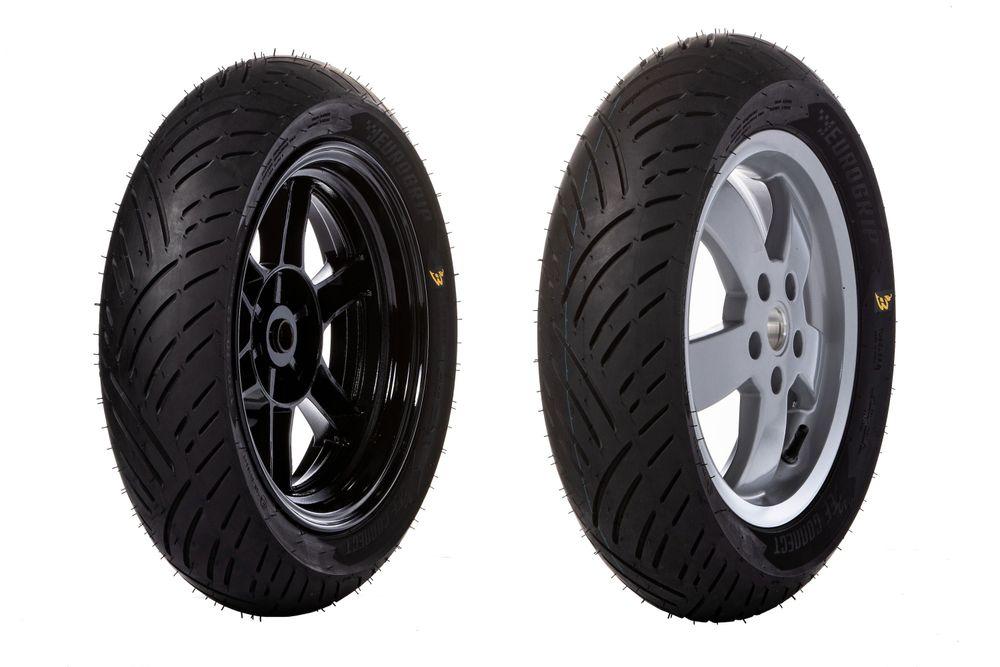
Eurogrip's D²T (Deep Design Tread) technology offers riders a middle path. Computer-designed deep tread patterns with high rubber volume deliver extended mileage without premium pricing. Their OpT-PaD technology ensures even footprint pressure distribution, translating to consistent grip in dry and wet conditions.
The budget vs premium bike tyres debate has no universal winner. Your answer emerges from honest assessment of how, where, and how much you ride. A ₹1,200 CEAT tyre on a TVS Jupiter covering 5,000 km yearly delivers perfect value. That same tyre on a Bajaj Dominar doing weekend highway blasts would be a safety compromise.
Check your current tyres today. Look for the TWI (tread wear indicator) markers inside the main grooves. When tread reaches these raised bars (1.6 mm depth), replacement becomes urgent regardless of brand preference. Sidewall cracks, bulges, or tyres older than five years also demand immediate attention.
Quality Indian brands including MRF, CEAT, Apollo, and TVS Eurogrip provide the best tyre brand for bike in India value for most commuters. Premium imports from Michelin, Continental, and Pirelli serve specific needs: sport riding, frequent highway travel, or riders who simply want the best available regardless of cost.
Visit Eurogrip's two-wheeler tyre range to explore options engineered for Indian conditions. Their balance of technology, durability, and competitive pricing suits riders seeking quality without paying import premiums. Match your tyre to your reality, not someone else's recommendation, and you will ride safer while spending smarter.
Are budget tyres safe for highway riding?
Quality budget tyres from established Indian brands handle occasional highway use adequately. For frequent high-speed travel exceeding 80 km/h, premium tyres offer better stability, wet braking, and heat resistance that improve safety margins considerably.
How often should I replace motorcycle tyres?
Replace when tread depth falls below 1.6 mm (check TWI markers), when tyres exceed five years of age regardless of tread remaining, or when you spot sidewall damage, bulges, or exposed cords. Rear tyres wear 30 to 50 per cent faster than fronts on most bikes.
Do premium tyres really improve fuel efficiency?
Yes. Low rolling resistance compounds in premium tyres can improve fuel economy by 4 to 8 per cent. Over a tyre's 30,000 km lifespan, this saving partially offsets the higher purchase price, especially for daily commuters.
Should I buy the same brand my bike came with from the factory?
Not necessarily. OEM tyres balance cost and performance for general use. Aftermarket options from reputable brands often outperform factory-fitted rubber. Match tyre specifications to your riding needs rather than blindly following original equipment.
Is tubeless better than tube-type for my motorcycle?
Tubeless tyres offer significant safety advantages. They deflate gradually after punctures rather than suddenly, allowing you to reach safety. Roadside repairs take 10 minutes with a plug kit costing ₹150 to ₹300. All motorcycles above 100cc now come factory-fitted with tubeless tyres for these reasons.