
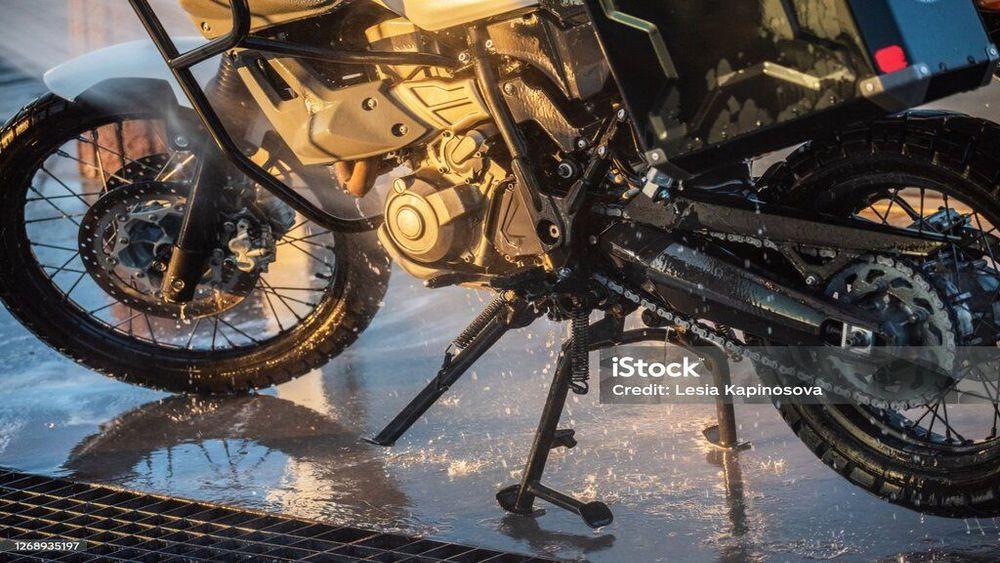
Your motorcycle chain works tirelessly to transfer power from the engine to the rear wheel, yet many riders overlook its maintenance. Learning how to clean a motorbike chain properly takes just 30 minutes but can dramatically extend its lifespan and improve your ride quality. A grimy, dry chain doesn't just affect performance; it actively steals power from your engine and increases wear on expensive drivetrain components. Regular cleaning prevents that telltale grinding noise and ensures smooth power delivery every time you twist the throttle.
You might assume chain maintenance requires professional expertise or expensive equipment. Actually, you can master how to clean a bike chain at home with basic tools you probably already own. This straightforward process saves money on servicing costs whilst giving you valuable hands-on experience with your motorcycle.
Your motorcycle chain attracts dirt like a magnet because of its oily surface and exposed position. Open chains, particularly common on sporty motorcycles, face constant bombardment from road grime, dust, and moisture. This contamination creates an abrasive paste that accelerates wear on both chain links and sprockets.
Before you learn how to clean a bike chain at home, recognize these warning signs that indicate immediate cleaning is required:
Visual indicators:
Performance symptoms:
Gathering the right equipment makes chain cleaning straightforward and efficient. You don't need expensive specialist tools; most items are readily available at hardware stores or online.
Basic tools required:
Cleaning and lubrication products:
Safety equipment:
Chain cleaners come in various formulations. Avoid harsh solvents that damage O-rings; look for motorcycle-specific products designed for modern chains. Similarly, chain lubricants fall into two categories:
Wax-based lubricants:
Oil-based lubricants:
Now, let's explore exactly how to clean a motorbike chain using proven techniques that professionals use. Following these steps ensures thorough cleaning without damaging delicate components.
Choose a flat, well-drained area for cleaning. Position your motorcycle on its centre stand or paddock stand, ensuring stability. If neither is available, you'll clean sections at a time using the side stand. Place tools within easy reach but away from the chain area to avoid contamination. Allow the engine to cool completely. Never attempt chain cleaning with a warm engine or immediately after riding.
Proper workspace preparation prevents accidents and makes the job more efficient. Consider laying down newspaper or a tarp to catch drips and protect your garage floor.
Start by removing loose surface dirt with water. Use a garden hose with moderate pressure; avoid high-pressure washers near O-rings. Rotate the rear wheel slowly by hand, spraying water along the entire chain length. This initial rinse loosens caked-on grime and makes subsequent cleaning more effective.
Focus the water spray on heavily soiled areas, but maintain gentle pressure. Excessive force can drive water past O-ring seals, causing premature chain failure.
Spray chain cleaner liberally onto the chain whilst slowly rotating the wheel. Ensure complete coverage of inner and outer plates, rollers, and side plates. Allow the cleaner to penetrate for 3-5 minutes; this dwell time helps dissolve stubborn deposits.
For those learning how to clean a bike chain at home, remember that more cleaner isn't always better. Oversaturation wastes product and creates an unnecessary mess. Apply cleaner in controlled bursts, using cardboard behind the chain to catch overspray.
Use your chain brush to agitate loosened dirt. Three-sided brushes clean multiple surfaces simultaneously, speeding up the process. Work systematically along the chain, scrubbing each section thoroughly. Pay special attention to roller surfaces and gaps between plates where grime accumulates.
Stubborn deposits might require repeated applications. Rinse your brush frequently in clean water to avoid redistributing dirt. This mechanical action, combined with chemical cleaning, ensures comprehensive dirt removal.
Rinse away dissolved grime and cleaning residue with clean water. Again, use moderate pressure and ensure complete removal of cleaning products. Proper rinsing prevents chemical residue from attracting fresh dirt.
Dry the chain thoroughly using clean rags. Compressed air helps remove water from tight spaces, though vigorous wiping with absorbent cloths works well too. Complete drying is crucial; residual moisture causes rust and prevents proper lubricant adhesion.
Apply chain lubricant only to completely dry chains. Focus spray on the inside run where centrifugal force draws lubricant into critical areas. Rotate the wheel slowly, applying lubricant to each link; excessive application creates a mess without improving protection.
Lubrication best practices:
Regular maintenance prevents major problems and extends component life. Your cleaning frequency depends on riding conditions and distances covered.
Standard maintenance schedule:
Even experienced riders make these errors when learning how to clean a motorbike chain. Avoiding them ensures effective cleaning without causing damage.
Never make these mistakes:
Mastering proper motorcycle maintenance at home, from chain cleaning to tyre care, turns routine upkeep into a path for peak performance. These simple habits complement premium components like Eurogrip tyres, gripping roads confidently in wet or dry conditions while extending their impressive lifespan.
Start prioritising Eurogrip tyres today. Your motorcycle rewards this choice with superior traction, better fuel economy, and unmatched reliability, delivering safer, more thrilling rides mile after mile. Quality tyre care costs little but yields massive returns through enhanced safety and enduring performance.